
民國39年(1950)美國陸軍第五航空隊二次世界大戰圖誌《來自摩斯比的威脅》(The Menace from Moresby)
已更新:6天前
1950 The Menace from Moresby: A Pictorial History of the 5th Air Force in World War II
民國39年(1950)美國陸軍第五航空隊二次世界大戰圖誌《來自摩斯比的威脅》(The Menace from Moresby)《Black Water Museum Collections | 黑水博物館館藏》

1. 基本資料
文物名稱:民國39年(1950)美國陸軍第五航空隊二次世界大戰圖誌《來自摩斯比的威脅》(The Menace from Moresby)
英文名稱:1950 The Menace from Moresby: A Pictorial History of the 5th Air Force in World War II
發行日期:民國39年(1950)
文物作者:羅素・L・辛頓(Russell L. Sinton)編纂;李昂・施洛斯(Leon Schloss)撰寫敘事部分;喬治・C・肯尼(George C. Kenney)撰序
發行單位:新聞照片出版公司(Newsfoto Publishing Company)
發行地點:美國德州聖安吉洛(San Angelo, Texas, United States of America)
文物形式:英文布面精裝圖誌,收錄黑白照片、人物肖像、戰史敘述及表揚文件
館藏單位:黑水博物館(Black Water Museum)
2. 內容說明
本書以戰史敘述、黑白照片及人物肖像,記錄美國陸軍第五航空隊在西南太平洋(Southwest Pacific)的作戰經歷,涵蓋戰鬥、空運、搜救、地勤生活,以及戰後進駐日本國(Japan)的行動。
(一)封面
英文原文:
THE MENACE FROM MORESBY
A Pictorial History of the 5th Air Force In World War II
中文翻譯:
《來自摩斯比的威脅》(The Menace from Moresby)
第五航空隊第二次世界大戰圖史
圖片說明:米黃色布面精裝封面,上方繪有B-24「解放者」轟炸機,左下為第五航空隊隊徽,中央印書名,右下為副標題。
(二)致謝與捐款聲明
英文原文:
ACKNOWLEDGEMENTS
This book was compiled from pictorial materials furnished by the Personal Narrative Division, Army Air Forces and from materials and information contained in the United States Strategic Bombing Survey, “The Fifth Air Force In The War Against Japan”, and the pictorial history of the 308th Bombardment Wing, “From Dobodura To Okinawa”.
Special acknowledgment is made of the assistance given by Mr. Leon Schloss, Aviation Editor of the International News Service, who prepared the narrative portion of this book. Mr. Schloss was a former Naval Officer and as such, served with the United States Naval Aviation in most of the areas covered by this story.
The technical information and advice furnished by Colonel Robert E. Beebe, USAF, former Chief of Staff of the Fifth Air Force and the Far East Air Forces; Colonel Benjamin Cain, USAFR, former A2 Officer, Fifth Air Force and Far East Air Forces, and Colonel Francis Gideon, USAF, former A3 of the Fifth Air Force and Far East Air Forces, for the compilation of this book is deeply appreciated.
All money accruing from the sale of this book, above the normal expenses connected with its promotion, publication and distribution, will be contributed to the Air Force Aid Society by the publisher.
中文翻譯:
致謝
本書根據美國陸軍航空隊個人敘事部門提供的圖片資料,以及《美國戰略轟炸調查》之《第五航空隊對日作戰》與第308轟炸聯隊圖史《從多博杜拉到沖繩》(From Dobodura To Okinawa)所載資料及資訊編纂而成。
特別感謝國際新聞社航空編輯李昂・施洛斯先生的協助,他負責撰寫本書的敘事部分。施洛斯先生曾任海軍軍官,於美國海軍航空部隊服役,曾在本書所述的大多數地區執勤。
對曾任第五航空隊及遠東航空軍參謀長的美國空軍上校羅伯特・畢比(Robert E. Beebe)、曾任第五航空隊及遠東航空軍情報參謀(A-2)的美國空軍預備役上校班傑明・凱恩(Benjamin Cain),以及曾任第五航空隊及遠東航空軍作戰參謀(A-3)的美國空軍上校法蘭西斯・吉迪恩(Francis Gideon),為本書編纂提供技術資料與建議,謹致深切謝意。
本書銷售所得,在扣除正常的宣傳、出版與發行費用後,全部餘款將由出版者捐贈給空軍救助協會。
(三)肯尼將軍肖像與序文
英文原文:
GEN. GEORGE C. KENNEY
FOREWORD
The story of the Fifth Air Force in the Pacific War will serve as a model for study and analysis by military historians for many years to come. The record is one of brilliant achievement in the face of tremendous odds by an organization that lacked almost everything except courage, determination and ability to get the most out of what they had to work with.
There was nothing in the previous training or experience of the gallant American airmen belonging to the “Fighting Fifth” that prepared them for a war over vast wastes of jungle and sea. They had never encountered living conditions as primitive or a climate as bad as the steaming tropics of New Guinea, or penetrated thunderheads as towering as in the Equatorial fronts of the South West Pacific; but with a morale never surpassed in the annals of warfare, they fought and won from an aggressive, cruel and ruthless enemy, a series of victories that captured the admiration of the whole world.
The Fighting Fifth became a byword in World War II. This story will tell the reader why they acquired the name and justified General Douglas MacArthur’s tribute when he said on the occasion of the arrival of the first units of the Fifth in the Philippines in October 1944:
“The Fifth Air Force has never failed me.”
—General George C. Kenney
中文翻譯:
喬治・C・肯尼將軍
序
第五航空隊在太平洋戰爭中的故事,將在往後許多年裡,成為軍事史家研究與分析的典範。這是一個組織面對極端不利條件,仍創下輝煌成就的紀錄;他們幾乎什麼都缺,卻不缺勇氣、決心,以及充分發揮手邊資源的能力。
屬於「奮戰第五航空隊」的英勇美國飛行人員,過去的訓練或經驗,都未曾使他們準備好在廣闊的叢林與海洋上作戰。他們從未遭遇像新幾內亞(New Guinea)那樣原始的生活條件與濕熱惡劣的熱帶氣候,也未曾穿越西南太平洋(Southwest Pacific)赤道鋒面那樣高聳的雷雨雲。然而,他們憑藉戰爭史上無與倫比的士氣,對抗一個侵略、殘酷而冷酷無情的敵人,接連取得令全世界讚歎的勝利。
「奮戰第五航空隊」在第二次世界大戰中成為響亮的名號。本書將告訴讀者,他們如何贏得並證明自己配得上這個名稱,也說明了道格拉斯・麥克阿瑟將軍在民國33年(1944)10月第五航空隊首批部隊抵達菲律賓(Philippines)時,為何給予以下讚譽:
「第五航空隊從未讓我失望。」
——喬治・C・肯尼將軍
(四)懷特黑德將軍肖像與讀者說明
圖片說明:左頁為恩尼斯・懷特黑德將軍肖像,圖說為「恩尼斯・懷特黑德將軍」(GEN. ENNIS G. WHITEHEAD)。右頁〈這是第五航空隊的故事〉(THIS IS A STORY OF THE FIFTH AIR FORCE)未署名。
英文原文:
GEN. ENNIS G. WHITEHEAD
THIS IS A STORY OF THE FIFTH AIR FORCE
It should help bring back to those former members of the Fifth memories, both fond and bitter of Australia, New Guinea, The Phillippines, Okinawa, Japan and Korea. It should also recall K-rations, dehydrated foods, hot sunny days and steamy nights, leave in Australia, rotation with its sweating out of replacements, mosquitos, torrential rains, mud, air strips built with blistered hands, the continuous short supply of essentials, Aussie beer, the arrival of the first state-side beer ration, Nip raids, foxholes and those almost forgotten buddies of squadrons and crews.
中文翻譯:
恩尼斯・G・懷特黑德將軍
這是第五航空隊的故事
本書應能幫助昔日第五航空隊隊員,重拾在澳洲(Australia)、新幾內亞(New Guinea)、菲律賓(Philippines)、沖繩(Okinawa)、日本(Japan)與朝鮮半島(Korea)那些甜美而苦澀的回憶。它也應喚起大家對K口糧、脫水食品、炎熱晴朗的白晝、濕熱夜晚、澳洲(Australia)休假、輪調時焦急等待替補人員、蚊蟲、滂沱大雨、泥濘、用起水泡的雙手築成的跑道、必需品長期供應不足、澳洲(Australia)啤酒、首次收到美國本土(the United States)配給啤酒、日本帝國軍隊空襲、散兵坑,以及那些幾乎已被遺忘的中隊與機組伙伴的記憶。
(五)第五航空隊的角色、起源與作戰改良
英文原文:
Reprinted from the United States Strategic Bombing Survey, “The Fifth Air Force In The War Against Japan”.
ROLE OF FIFTH AIR FORCE IN SOUTHWEST PACIFIC AREA
The campaign of the Fifth Air Force in operations against the Japanese was confined primarily to the Southwest Pacific Area and to preparing, along with other Army forces, for the final assault on Japan. Maximum effort of all friendly forces against a single enemy objective was a keynote of theater policy. This policy, employed along a single line of attack, required full coordination of air and surface operations. Limitations of operating space and of forces on hand required concentration of means and brought the GHQ policy that the American Sixth Army, Seventh Fleet and Fifth Air Force would be the “spearhead” forces. The Fifth Air Force became by the turn of events the largest operator of land-based aircraft in the Pacific except for B-29s. This accumulation of air power under a single command provides the student of military history with an excellent example of a series of highly successful campaigns in which air operations were coequal and coordinate with those of ground and naval forces.
The policy of General Douglas MacArthur to operate his major forces as a composite team of land, naval and air forces, retained each force as a complete entity and provided a concentration of its means. With the exception of anti-submarine units and certain transport aircraft all tactical aircraft in the Southwest Pacific Area were under the control of Allied Air Force. In turn this required that the Air Force have full ability to support compatriot arms while continuously engaging the enemy on the “Air Front”. The Fifth Air Force was therefore “all purpose” in its composition. It was essentially a field operating unit, provided with the greatest flexibility and with freedom from administrative and service burdens. The composing of many air forces into Allied Air Force by General George C. Kenney developed the policy of assigning one major force organization to achieve one major objective. The composition of the selected air force or “Assault Air Force” as it was termed, was determined by the requirements of the assigned mission. The composition of forces therefore was changing constantly as bases shifted and forces reallocated. Emphasis was placed on complete and responsible coordination between equal levels of command.
ORIGIN OF THE FIFTH AIR FORCE
In April General MacArthur had formed an Allied Air Force under the command of Lt. General George H. Brett. This was a composite organization of Royal Australian Air Force squadrons, a few Netherlands East Indies squadrons and remnants of the American Far East Air Force formerly in the Philippines. These units had been evacuated to Australia and Port Moresby, New Guinea, and were operating in combination with each other wherever service of any sort could be found. In July 1942, Lt. General Brett was succeeded by General George C. Kenney. On 3 September 1942 authority was received to activate the Fifth Air Force from existing Army Air Force units in the theater. Command was assumed by General Kenney in addition to his position as commander, Allied Air Force. Forward operations were delegated to Lt. General Ennis Whitehead as deputy commander. The operational RAAF and Dutch units were combined under Air Vice-Marshall D. W. Bostock’s RAAF Command. National and service entity was retained throughout the war by similar subdivision under Allied Air Force.
The growth of the Fifth Air Force resulted primarily from a troop requisition submitted to the War Department in early 1943. The troops arrived in the theater during the latter part of 1943 and throughout 1944. Further substantial increase in strength was dependent on the cessation of hostilities in Europe and redeployment of European units. However, by the cessation of major air activity in the South Pacific Theater the Thirteenth Air Force joined the Southwest Pacific Area in June 1944. The Fifth and Thirteenth Air Forces were then combined under the command of General Kenney as the Far East Forces on 15 June 1944, and became mutually supporting by combinations of forces. General Whitehead was appointed to command the Fifth Air Force. Further reinforcement of air effort was derived with the attachment of certain Naval search squadrons and Marine air units to the Fifth Air Force as the campaign progressed. In almost all operations the Fifth was in itself an Allied Force. This presentation is confined principally to the organic assigned units although its attached units were a considerable factor in operations.
There are many different ways to tell the story of the Fifth Air Force in World War II—a different way for each of the men who served in it, from Generals George C. Kenney and Ennis Whitehead down, or maybe it’s up, to the rawest recruit.
The story of each would be absorbing. Possibly more absorbing than the way the story will be told here. But this story should be of great interest to the men of the Fifth, for it sets forth the history-making accomplishments which the men themselves may not to this day realize they made possible.
The story of the growth of the Fifth is in itself remarkable. From 600 planes to 2,200. From 27,000 men to 125,000. From eight groups to 23. From 1,100 sorties in September, 1942, to 17,000 in April, 1945.
Actually the figures for the beginnings are misleading. There is no data available on personnel strength before January, 1943. The 600 planes, many of them slow, underarmed and obsolescent, reflects the New Year of 1942. Less than a month before half of the Far East Air Force—predecessor of the Fifth—was wiped out in the Phillippines on the “day of infamy”. Ten days later it was a cause for glum satisfaction when 14 B-17s had been successfully “evacuated”—galling substitute word for “retreated”—to Australia.
But figures, impressive as they are, turn dry as dust when laid alongside the tasks the Fifth accomplished while the tortured labor period of expansion was being undergone.
Suddenly thrust into a conflict to be fought under unprecedented conditions of climate and terrain, outmanned, out-equipped, and outsupplied, the Fifth had to improvise—or lose. Lose in this case meant very rugged consequences, because the Japanese were not looking very often at the international covenants covering losers. Easier to shoot the loser. Or the bayonet.
So the Fifth improvised. It improvised on its airplanes. The first planes it got did not have enough forward fire power, so they fixed them. The B-25 came out with a single 30 caliber gun in the nose. The Third Bomb Group put in eight. Word of results got back home and the “gun nose 25” was made standard.
The Fifth found out quickly that high altitude bombing just did not work in the Southwest Pacific, with its island “hide and seeks”. Dive bombing was no better. So the Fifth created masthead and skip bombing tactics. Six months after the Fifth was formally established, with Gen. Kenney as commander, the Fifth’s new tactics won the victory of the Bismarck Sea which was an early turning point of the war against Japan.
But success with the sensational new style of bombing did not come easily. The early bombs and fuses would not work, so to meet the requirements for low altitude attacks, the Fifth sweated out another make-do. It made its own bombs and fuses.
It became clear at an early date that it would take fire to root the Japs out of their cave-like fortresses and that the fire would have to be “skipped” in along horizontal lines. Dumping it on thick concrete roofs was going to do no good, even if the roofs could be spied out under their jungle camouflage.
But the magnesium incendiary would not work. So the Fifth began dropping belly tanks, partly filled with gasoline. These broke on impact and sprayed the area and provided a fine hot blaze when ignited by incendiary bullets fired on a return pass. The next “model” involved screwing an impact fuse into the gas tank instead of the regular cap. Then practice bombs were filled with gas, and later gas mixtures, which burst on impact and scattered a gas-oil-rubber flame over wide areas. This type of bomb also was adopted as standard when Napalm came along.
The Fifth moved into its glory along with Napalm, which although coming late in the war, definitely helped to speed up the knock-out. On one attack against the Japs who were holed up near Manila in five separate strongholds scattered over square miles, the Fifth Air Force Fighters delivered 200,000 gallons of Napalm. The soldiers walked in, standing up, after having tried for weeks to find a soft spot.
The Fifth became known to the Japs as “The Menace from Moresby” early in the conflict after the enemy had been driven away from that stronghold in New Guinea and the Americans began blasting them from bases they established there.
Perhaps a more suitable tag for this book would be “The Menace from Mother Necessity”, from the old saying in which invention plays the leading role.
The invention list is long. The Fifth improvised para-frag bombs by hooking a standard para-frag chute to a standard 100 pound demolition bomb.
The Fifth does not claim credit for “inventing” the Support Air Party, but it was used early in the conflict in the Southwest Pacific Area. When ground troops called for air support, it needed it quickly. The Army communications set-up was cumbersome. So the Fifth sent pilots into the front line to see just what was up and make sure the requests for assistance made the needs clear. Ground force personnel worked with the pilots and when communications equipment became available they established their own networks. Thus the Support Air Party (SAP) came into being.
中文翻譯:
轉載自《美國戰略轟炸調查》之《第五航空隊對日作戰》。
第五航空隊在西南太平洋戰區(Southwest Pacific Area)的角色
第五航空隊對日作戰的主要範圍,在西南太平洋戰區(Southwest Pacific Area),以及配合其他陸軍部隊,準備對日本帝國(Japan)發動最後攻擊。集中所有友軍的最大力量攻擊單一敵軍目標,是戰區政策的要點。沿著單一攻擊方向實施這項政策,需要空中與地面、水面作戰的充分協調。作戰空間與現有兵力的限制,要求集中資源,因而形成總司令部以美國第六軍團、第七艦隊及第五航空隊擔任「矛頭」部隊的政策。隨著戰事發展,第五航空隊成為太平洋地區(Pacific)除B-29之外,運用陸基飛機最多的單位。將如此龐大的空中力量集中於單一指揮之下,為軍事史研究者提供了極佳範例:在一連串極為成功的戰役中,空中作戰與地面、海軍作戰具有同等地位,並相互協調。
道格拉斯・麥克阿瑟將軍將主要部隊作為陸、海、空軍聯合團隊運用的政策,保留了各軍完整的組織,同時集中其資源。除反潛航空單位與部分運輸機外,西南太平洋戰區(Southwest Pacific Area)的所有戰術飛機,均由盟軍航空部隊(Allied Air Force)指揮。因此,航空部隊既須持續在「空中戰線」與敵軍交戰,也必須具備充分支援其他軍種的能力。第五航空隊因而在組成上具有「多用途」性質。它本質上是一支野戰部隊,具有最大的運用彈性,並免除行政與勤務工作的負擔。喬治・C・肯尼將軍將多國航空兵力組成盟軍航空部隊後,發展出以一個主要兵力組織完成一項主要目標的政策。所選派的航空兵力,亦即所稱的「突擊航空兵力」,依任務需求決定其組成。因此,隨基地轉移與兵力重新分配,部隊組成也持續改變。政策強調同級指揮單位之間充分而負責的協調。
第五航空隊的起源
4月,麥克阿瑟將軍已組成由喬治・H・布雷特中將指揮的盟軍航空部隊。它由澳洲皇家空軍中隊、少數荷屬東印度(Netherlands East Indies)航空中隊,以及原駐菲律賓(Philippines)的美國遠東航空隊殘部組成。這些單位撤至澳洲(Australia)與新幾內亞摩斯比港(Port Moresby, New Guinea),在能獲得各種勤務支援的地方協同作戰。民國31年(1942)7月,布雷特中將由喬治・C・肯尼將軍接替。民國31年(1942)9月3日,接獲命令,准以戰區內現有美國陸軍航空隊部隊組成第五航空隊。肯尼將軍在擔任盟軍航空部隊司令之外,兼任第五航空隊司令。前方作戰則交由副司令恩尼斯・懷特黑德中將負責。執行作戰的澳洲皇家空軍及荷蘭(the Netherlands)部隊,編入博斯托克(D. W. Bostock)空軍少將的澳洲皇家空軍司令部。戰爭期間,盟軍航空部隊藉由類似的分支編組,維持各國與各軍種的組織身分。
第五航空隊的擴充,主要源於民國32年(1943)年初向陸軍部提出的兵力申請。這些部隊於民國32年(1943)下半年至民國33年(1944)陸續抵達戰區。進一步大幅增兵,則須等待歐洲(Europe)戰事結束與歐洲(Europe)部隊重新部署。不過,南太平洋戰區(South Pacific Theater)主要空中作戰停止後,美國陸軍第十三航空隊於民國33年(1944)6月加入西南太平洋戰區(Southwest Pacific Area)。同年6月15日,第五與第十三航空隊合編為由肯尼將軍指揮的遠東航空兵力,透過兵力組合相互支援。懷特黑德將軍獲任第五航空隊司令。戰役推進期間,另有些海軍搜索中隊與海軍陸戰隊航空單位配屬第五航空隊,使空中兵力進一步增強。幾乎在所有作戰中,第五航空隊本身就是一支盟軍部隊。儘管配屬部隊在作戰中也占有相當分量,以下敘述主要限於正式編配的建制單位。
講述第五航空隊第二次世界大戰故事的方法有許多種。從喬治・C・肯尼與恩尼斯・懷特黑德兩位將軍,往下——也許該說往上——到最資淺的新兵,每一名服役者都有自己的說法。
每個人的故事都會引人入勝,也許比這裡採取的敘述方式更精彩。不過,第五航空隊官兵應會對本書深感興趣,因為它記下了那些由他們促成、而他們直到今天或許仍未察覺的歷史性成就。
第五航空隊的成長,本身就十分驚人:飛機由600架增加至2,200架,人員由27,000人增加至125,000人,大隊由8個增加至23個;出動架次則由民國31年(1942)9月的1,100架次,增加至民國34年(1945)4月的17,000架次。
實際上,最初的數字容易造成誤解。民國32年(1943)1月以前的人員兵力資料並不存在。600架飛機所反映的是民國31年(1942)新年時的情況,其中許多速度緩慢、武裝不足且已過時。不到一個月以前,第五航空隊前身遠東航空隊約一半的兵力,在菲律賓(Philippines)的「國恥日」遭到摧毀。十天後,14架B-17成功「撤離」至澳洲(Australia),已令人勉強感到欣慰;「撤離」不過是用來替代「退卻」的刺耳字眼。
然而,這些數字縱然驚人,與第五航空隊在艱辛擴充期間完成的任務相比,仍顯得乾枯乏味。
第五航空隊驟然投入一場氣候與地形條件都前所未有的戰爭,人數、裝備與補給均不如對手,只能臨機應變,否則就會失敗。這裡的失敗意味著極其嚴重的後果,因為日本帝國軍隊並不經常理會保障戰敗者的國際公約。槍殺戰敗者比較容易,或是使用刺刀。
於是,第五航空隊設法應變。它先從飛機著手。最初取得的飛機前射火力不足,便自行改裝。B-25出廠時,機鼻只有一挺.30英吋機槍;第三轟炸大隊裝上了八挺。改裝成果傳回美國(United States)後,「機槍機鼻B-25」便成為標準。
第五航空隊很快發現,在島嶼間捉迷藏般的西南太平洋(Southwest Pacific)作戰中,高空轟炸並不管用,俯衝轟炸也好不到哪裡去。因此,第五航空隊發展出桅頂高度轟炸與跳彈轟炸戰術。由肯尼將軍擔任司令的第五航空隊正式組成六個月後,這些新戰術贏得了俾斯麥海海戰(Battle of the Bismarck Sea)的勝利,成為對日戰爭早期的一個轉捩點。
然而,這種引人注目的新式轟炸方法並非輕易就能成功。早期炸彈與引信無法適用,為滿足低空攻擊需求,第五航空隊又辛苦想出變通辦法,自行製作炸彈與引信。
他們很早便明白,必須用火把日本帝國軍隊從洞穴般的堡壘中逼出來,而且必須讓火沿水平方向「跳」進去。即使能透過叢林偽裝找到厚重的混凝土屋頂,將火投在頂上也不會奏效。
但鎂燃燒彈並不管用。於是,第五航空隊開始投下部分裝有汽油的機腹油箱。油箱撞地破裂,將汽油灑向周遭,再由飛機折返,以燃燒彈射擊點火,形成猛烈火焰。下一種「型式」以觸發引信取代油箱原有的蓋子。後來又在練習炸彈內裝入汽油,再改用汽油混合物;撞擊時彈體破裂,將汽油、油料與橡膠形成的火焰散布至廣大區域。凝固汽油問世後,這類炸彈也被採為標準。
第五航空隊伴隨凝固汽油彈的運用建立了輝煌戰績。這種武器雖然在戰爭後期才出現,確實加速了最後的勝利。在一次對馬尼拉(Manila)附近日本帝國軍隊的攻擊中,敵軍據守於分布數平方英里的五處獨立據點,第五航空隊戰鬥機投下了200,000加侖凝固汽油。先前花了數週尋找突破口的地面官兵,此後便能挺直身體走入敵陣。
戰爭初期,敵軍被逐離新幾內亞(New Guinea)的摩斯比(Moresby)據點,美軍開始從當地建立的基地猛烈攻擊日本帝國軍隊,第五航空隊因此被日本帝國軍隊稱為「來自摩斯比(Moresby)的威脅」。
也許本書更合適的名稱,應是「來自需要之母的威脅」,借用那句以發明為主角的古老諺語。
發明清單很長。第五航空隊將標準傘降破片炸彈使用的降落傘,接到標準100磅爆破炸彈上,製成臨時的傘降炸彈。
第五航空隊並不聲稱「發明」了空中支援聯絡組,但西南太平洋戰區(Southwest Pacific Area)在戰爭初期便已使用它。地面部隊呼叫空中支援時,往往需要立即獲得支援,陸軍通信作業卻十分繁複。於是,第五航空隊派飛行員前往第一線,了解實況,確保支援申請能清楚表達需求。地面部隊人員與飛行員共同工作,通信裝備到位後,便建立自己的網路。空中支援聯絡組(Support Air Party, SAP)由此形成。
(六)空運、後勤與俾斯麥海海戰(Battle of the Bismarck Sea)
英文原文:
And on and on. In less than a year an intelligence network was created from a meager beginning comprising “coast watchers”. These were for the most part natives, reporting with primitive equipment from their beach and jungle fastnesses, and not too reliable due to their eagerness to please.
It is doubtful if ever an air force had to do so many things beside just being an air force. It became clear to the Fifth early in the war that airplanes were going to have to be beasts of burden. Lack of roads, railroads, shipping and harbor facilities made it imperative that the fly-boys were going to have to run a supply service. In this case the meager beginning was in March, 1942 when the first squadron—numbering 14 different types of airplanes—moved the entire 102nd Coast Artillery, and its equipment, 1,800 miles from Brisbane to Darwin. By the end of 1943 four squadrons had carried 20,000 tons of supplies to the front lines. The triumphant climax of the air transport endeavor came when the Fifth was ordered to fly occupation troops into Japan.
That was easily the most dramatic instant in the saga of the Fifth Air Force, and probably of any Air Force.
The date was August 15, 1945. Within the preceding week, the atomic bombs had smashed Hiroshima and Nagasaki, and along with these Nip cities the enemy’s will to continue the struggle.
The Japanese offered to surrender. On the 15th the Allied High Command decided that immediate advantage must be taken of the offer. But how to get a sizeable occupation force into the Tokyo area—quickly? No way but air. But who had ever heard of an Army of Occupation arriving by air? Nobody. All right, let the Fifth do it.
What a gamble! There were a million enemy troops in the Tokyo area, armed and only one day, if not hours, removed from a determination to die in defense of their homeland. The Jap leaders had pledged no resistance but who could guarantee that some small incident would not spark a Banzai charge? The result would have been indescribable.
The Fifth knew what it was going up against. An official report says “should a change of heart induce resistance on their (the Japs) part, the results would be embarrassing”. Embarrassing, indeed! To say the least.
The task lined up in two phases, like this:
First, move the entire 11th Airborne Division from Luzon to Okinawa. Then garrison Tokyo with that division, 8th Army Headquarters, Advanced GHQ, Advanced Headquarters Far East Air Force, the 27th Division, the Fifth AF Airdrome Operations and Resupply.
Then, garrison Kanoya with the 127th Infantry, 309th Bomb Wing, Air Freight Forwarding Units, 973rd Engineers, 8th Service Squadron, 5th Air Intelligence Technical Unit, 188th AACA, 1037th Signal Company, 1062nd Quartermaster Company, 2812th Engineer Petroleum Company, 307th Airdrome Squadron and the 153rd Weather Squadron.
That’s not all. As a supplement to the second phase, American prisoners of war were to be brought out of the vile bondage they had endured.
It was a tremendous job and time was short.
The 11th Airborne—11,300 men and equipment—was moved from Luzon to Okinawa in less than 72 hours in 651 plane loads.
The entire operation was carried through on that kind of a backbreaking schedule. It began on August 29 and was completed on September 13.
The Fifth had become the first air force in history to implement the occupation of a powerful enemy nation and end a war.
So there are the highlights of the unique achievements of the Fifth Air Force.
There were low lights. Plenty of them. Obstacles great and obstacles small, deviling the men and officers of the Fifth before those breathless late summer days of 1945 when the last big gamble was taken.
Right at the outset, the Fifth had to learn new tactics. Air defense was nearly impossible because jungles and mountains screened enemy approach, rendering radar of little use. But all the Fifth had to work from in April, 1942, was a toe hold at Port Moresby on the south shore of New Guinea.
The Japs hammered away successfully from the air and the brass soon figured out the only defense was offense. The Nip bases had to be found and destroyed before they could stop the raids which were ripping up the Allied bases. It had to be done, and it was done. Throughout the slashing advance back up the Pacific island ladder, the same offensive “defense” was carried on.
Going again to official records, where stiff military terminology often reflects stark drama more keenly than fancy prose, these words are found:
“Using practically all our resources in offensive warfare, we were able to force upon the enemy such attrition of his aircraft as to prevent him from mounting any serious bombardment threat to the areas we defended”.
Routine services—lack of them, rather—put the Fifth in another early hole. “Getting the weather” depended on a handful of stations, some guerrilla information and interception of Jap reports. So the Fifth had another building block to fashion. Success can be measured by statistics. By the time of the Leyte campaign missions aborted by weather amounted to a mere seven per cent of all those attempted.
What the military calls “the table of organization and equipment” fell flat on their paper faces when it came to providing communications for the air force thrown into a new kind of war. “Improvisation”, says the official history, came through again. There were very few “from and tos” about it, but what happened was that communications personnel, plus equipment, suddenly found itself detached from squadrons, groups and signal service organizations, and pooled in a separate set-up. The thing worked so well that, like the “gun nose 25” and other Fifth Air Force creations, it became standard throughout the Air Force.
Early American radar was too bulky to move into the forward areas beyond the mountains and which therefore made it almost impossible for base radar to pick up oncoming attacks. A lightweight Australian Air Force radar rig saved the day until late in the war when modern FM equipment was received.
The Fifth was truly the underpriviliged child. It never honked—officially at least—but this can be found in the record: “Our problem of distribution within the theater was minor as compared to that of obtaining a sufficient quantity of supplies from the United States.” Again, the Fifth made do. Drawing upon Australian industry it built its own overhaul and repair facilities, and even manufactured critical parts and equipment, until the European enemy and the vast distances from the homeland were conquered.
What it all added up to was this: The Fifth had to fight a running war, ever advancing and at the same time creating a new type organization to support such blitzkreig tactics. Mobility plus logistics.
Because the United States had had no previous experience in tropical wars, the Fifth Air Force had to be the guinea pig. But the Fifth beat the rap that the average guinea pig takes.
The guinea-pig Fifth defeated the laboratory—and lived.
“BISMARCK SEA BATTLE”
The Bismarck Sea Battle was one of the “shining hours” in the history of the Fifth Air Force. In an action that covered four days, the planes of the Fifth destroyed and completely disrupted a convoy, probably two convoys, that were proceeding to Lae and Salmaua with Japanese reinforcements. Three light cruisers, seven destroyers and twelve merchant ships were sunk by the Fifth’s planes and their Allies. After the surrender of the Japs in 1945 the Japanese Naval Officers confirmed that a total of 29 ships were sunk in the four day action. The convoy was protected by Japanese Naval Air Force which suffered a heavy loss of planes—60 destroyed and 39 probably destroyed is the estimate.
The outstanding feature of this engagement was its intertheater importance. In addition to cutting off the remaining Japanese troops in the Lae, Salamau, Huon Peninsula areas from badly needed supplies and reinforcements, it demonstrated the effectiveness of mast high skip bombing techniques when covered by maximum gun fire on approach. But most of all, it dispelled all doubts about the efficacy of land-based aircraft when pitted against naval vessels.
The Fifth Air Force and Allied air accomplishments during this battle become even more miraculous when one considers that the four day attack was carried out by a relatively small number of aircraft. On the days of the strike against the convoy, the Allied Forces only had 196 bombers flyable, and used everyone of them. Seventy-two P-38s and 57 P-40s were also used in the engagement in varying numbers at any one time. The cost of the engagement to the Fifth and Allied Air Forces was one B-17—one B-25—one Beaufighter and three P-38s.
This space has been reserved for something very special, like the place a gem is set in a ring.
In April, 1943, it became apparent that the nature of the war which the Fifth was going to have to fight demanded an organizational set-up vastly different from the one found on the charts.
As described previously, it became obvious at an early date that the only way Allied holdings could be defended was by constantly striking out at the enemy, before he could utilize the radar-baffling terrain to pin down the Allies. The defense had to be “offensive”. The Nip couldn’t be allowed to dig in. He had to be under constant harassment, kept back on his heels, forced to retreat, surrender, die or wither on the vine.
中文翻譯:
應變的例子還有許多。不到一年,一個從少數「海岸監視員」起步的情報網便建立起來。這些監視員大多是當地居民,從海岸與叢林據點使用簡陋器材回報情報;他們急於讓盟軍滿意,因此回報的情報未必可靠。
恐怕很少有航空部隊,除了執行航空作戰之外,還必須做這麼多事。戰爭初期,第五航空隊便明白,飛機也得充當馱獸。缺少公路、鐵路、船舶與港口設施,使飛行人員非經營補給運輸不可。這項工作同樣起步艱難:民國31年(1942)3月,第一個中隊擁有14種不同型式的飛機,將第102海岸砲兵部隊全體官兵及裝備,由布里斯本(Brisbane)運至1,800英里外的達爾文(Darwin)。至民國32年(1943)年底,四個中隊已向前線運送20,000噸補給。這項空運努力的勝利高潮,是第五航空隊奉命將占領部隊空運至日本國(Japan)。
這無疑是第五航空隊傳奇中最具戲劇性的一刻,也可能是任何航空部隊歷史上最具戲劇性的一刻。
日期是民國34年(1945)8月15日。前一週內,原子彈摧毀了廣島(Hiroshima)與長崎(Nagasaki),連同這兩座日本(Japan)城市一起被擊垮的,還有敵軍繼續戰鬥的意志。
日本帝國(Japan)提出投降。15日,盟軍最高統帥部決定立即利用這個機會。然而,要如何迅速將相當規模的占領兵力送入東京(Tokyo)地區?只有空運。但誰曾聽過一支占領軍從空中抵達?沒有人。好吧,交給第五航空隊。
這是何等冒險!東京(Tokyo)地區有一百萬名武裝敵軍,距離他們還決心為保衛本土而戰死,也不過一天,甚至只有幾小時。日本帝國領導人雖承諾不抵抗,誰又能保證某個小事件不會引發萬歲衝鋒?後果將難以想像。
第五航空隊知道自己面對的是什麼。官方報告寫道:「如果他們(日本帝國軍隊)改變心意而進行抵抗,結果將令人難堪。」難堪?這實在只是最輕描淡寫的說法!
任務分為兩個階段:
首先,將第11空降師全師由呂宋(Luzon)運往沖繩(Okinawa)。隨後,以該師、第八軍團司令部、總司令部前進機構、遠東航空隊前進司令部、第27師,以及第五航空隊的機場作業與補給單位,進駐東京(Tokyo)。
再以第127步兵部隊、第309轟炸聯隊、航空貨運轉運單位、第973工兵部隊、第8勤務中隊、第5航空情報技術單位、第188部隊(AACA)、第1037通信連、第1062軍需連、第2812工兵石油連、第307機場中隊與第153氣象中隊進駐鹿屋(Kanoya)。
任務還不止於此。第二階段還須將美國戰俘從他們長期承受的惡劣囚禁中救出。
工作極為龐大,時間卻很短。
第11空降師的11,300名官兵及裝備,以651個機載批次,在不到72小時內從呂宋(Luzon)運抵沖繩(Okinawa)。
整個行動都依這種令人筋疲力竭的時程進行,8月29日開始,9月13日完成。
第五航空隊成為歷史上第一支執行占領強大敵國、結束戰爭任務的航空部隊。
以上就是第五航空隊獨特成就的幾個重要片段。
低潮也有,而且很多。在民國34年(1945)夏末那些令人屏息、進行最後一次重大冒險的日子以前,大大小小的障礙不斷折磨第五航空隊的官兵。
從一開始,第五航空隊就必須學習新戰術。叢林與山脈掩護敵軍接近,使雷達難以發揮作用,防空幾乎不可能。然而,民國31年(1942)4月,第五航空隊能使用的,只有新幾內亞(New Guinea)南岸摩斯比港(Port Moresby)的一小塊立足點。
日本帝國軍隊從空中持續有效攻擊,高級將領很快明白,唯一的防禦就是進攻。必須找出並摧毀日本帝國軍隊基地,才能阻止那些正摧殘盟軍基地的空襲。這件事非做不可,而他們也做到了。此後沿太平洋(Pacific)島嶼逐步向前猛進,同樣的進攻式「防禦」始終持續。
再次查閱官方紀錄,生硬的軍事用語往往比華麗文辭更能呈現真實的戲劇張力,其中有這樣一段話:
「我們幾乎將所有資源用於進攻,使敵軍飛機遭受足夠的消耗,因而無法對我們防守的地區形成嚴重的轟炸威脅。」
日常勤務——更準確地說,是缺乏這些勤務——也使第五航空隊在早期陷入困境。取得氣象資訊,仰賴少數測候站、一些游擊隊情報與截收的日本帝國軍隊報告。因此,第五航空隊又得自行建立一個環節。成果可由數字衡量:到了雷伊泰(Leyte)戰役,因天候中止的任務,僅占全部嘗試出動任務的百分之七。
軍方所稱的「編裝表」,在為一支投入新型戰爭的航空部隊提供通信時,完全成了不管用的紙張。官方戰史指出,「臨機應變」再次解決問題。沒有多少正式往返公文,通信人員與裝備就從中隊、大隊及通信勤務組織抽出,集中編成獨立單位。這種做法如此有效,以致和「機槍機鼻B-25」及第五航空隊的其他創新一樣,成為全航空部隊採用的標準。
早期美製雷達太過笨重,無法搬至山脈另一側的前方地區,基地雷達因此幾乎無法偵測來襲敵機。一套輕便的澳洲空軍雷達裝備解決了燃眉之急,直到戰爭後期取得現代化調頻(FM)裝備為止。
第五航空隊確實像個資源不足的孩子。它從不抱怨——至少正式場合如此——但紀錄中可找到這段話:「與從美國(United States)取得足量補給的問題相比,戰區內的分配問題只是小事。」第五航空隊又一次設法將就。它利用澳洲(Australia)工業,建立自己的大修與修理設施,甚至製造關鍵零件與裝備,直到歐洲(Europe)敵軍被擊敗、與本土之間的遙遠距離也被克服。
總而言之,第五航空隊必須打一場不斷移動、不斷前進的戰爭,同時創造新式組織,支援這種閃擊戰術。也就是機動力加上後勤。
由於美國(United States)過去沒有熱帶戰爭的經驗,第五航空隊不得不當試驗用的天竺鼠。但第五航空隊逃過了普通實驗動物通常面臨的命運。
這隻名叫第五航空隊的天竺鼠,打敗了實驗室,而且活了下來。
「俾斯麥海海戰」(Battle of the Bismarck Sea)
俾斯麥海海戰(Battle of the Bismarck Sea)是第五航空隊歷史上的「光輝時刻」之一。在歷時四天的行動中,第五航空隊飛機摧毀並徹底打亂了一支船團,也可能是兩支船團;這些船隻正運送日本帝國陸軍增援部隊前往萊城(Lae)與薩拉毛亞(Salamaua)。第五航空隊及盟軍飛機擊沉三艘輕巡洋艦、七艘驅逐艦及十二艘商船。民國34年(1945)日本帝國(Japan)投降後,日本帝國海軍軍官證實,四天行動中共損失29艘船。船團由日本帝國海軍航空部隊掩護,後者也遭受重大飛機損失,估計有60架被摧毀、39架可能被摧毀。
這次交戰的突出特徵,在於它跨戰區的重要性。它不僅切斷萊城(Lae)、薩拉毛亞(Salamaua)與休恩半島(Huon Peninsula)殘存日本帝國陸軍迫切需要的補給與增援,也證明了在接近時以最大機槍火力掩護、於桅頂高度實施跳彈轟炸的效力。最重要的是,它消除了人們對陸基飛機能否有效對抗海軍艦艇的一切疑問。
考慮到這次四日攻擊由相對少量的飛機執行,第五航空隊與盟軍航空部隊的戰果更顯驚人。攻擊船團的那些日子,盟軍只有196架可飛的轟炸機,全部都投入了行動。另有72架P-38與57架P-40,以不同數量參與各次交戰。第五航空隊與盟軍航空部隊的損失為一架B-17、一架B-25、一架布里斯托「英俊戰士」雙引擎戰鬥機(Bristol Beaufighter)及三架P-38。
這個位置特別保留給一件非常特別的事,就像戒指上鑲嵌寶石的位置。
民國32年(1943)4月,戰況顯示,第五航空隊即將面對的戰爭性質,要求一種與組織圖所列截然不同的編組。
如前所述,很早就已明白,要保衛盟軍據點,唯一的方法就是持續打擊敵軍,在敵軍利用能干擾雷達偵測的地形壓制盟軍之前先出手。防禦必須是「進攻性的」。不能讓日本帝國軍隊從容固守,必須持續騷擾,迫使其疲於應付、退卻、投降、死亡,或在孤立中逐漸衰亡。
(七)空中特遣隊與新幾內亞(New Guinea)作戰
英文原文:
A never-ending series of lightning blows had to be delivered. The standard Air Force organization could not support such an operation. This was obvious. The steady increase in sorties from each new captured base demanded a command headquarters approaching the Air Force Headquarters level. It was not feasible to close a headquarters of the Air Force proportions and move it quickly to a new location. Transportation and duplicate equipment simply were not available. Further, air operations were continuous and the movement of communications was critical at any stage.
To meet the problem, the Fifth dug out a gimmick called the Air Task Force. It was not entirely new but had never been employed the way the Fifth was to employ it. It might be too strong to say the Air Task Force won the Pacific War, but no historian will deny that without the Air Task Forces the conflict might have been lost.
Essentially the Air Task Force was a standard Air Force Headquarters minus administrative sections. Its mission was establishment of air force units at newly-won bases or beachheads, the conduct of air operations directly affecting action at the new base, and development of the airdrome areas for operations. As soon as possible Air Force Headquarters moved in to relieve the “firemen” and let the Task Forces prepare for new aggression.
Basically, the Air Task Force was an offensive unit. When it worked with land and naval forces it was never responsible for local defense, for logistic support of the base, or for building airdromes.
The Air Task Force was born at the time of the Buna campaign. Its success made its continuing use imperative. More and more of them were built by taking a bomb wing and attaching to it tactical and service units. It wasn’t easy, due to lack of staging facilities and the ever-continuing operations.
But ATF worked. And helped bring ABT (Atom Bomb Time) to Japan much sooner.
In every audience there’s at least one character who keeps piping up “I know, I know, but what did they do?” And it’s always hard to answer this character, because he must have it in a few words. That’s difficult because of the Fifth makes no extravagant claims. It’s always been eager, and happy, to pass praise for the ground troops and the Navy. All three worked together often, and well.
The Fifth Air Force made a very significant contribution to the Pacific war by its “attrition action” against the Japanese Naval and Army Air Forces and its support of the Cape Gloucester, Hollandia, Leyte and Corregidor campaigns.
To understand the tremendous importance of rendering impotent the Jap Air Forces, the strategy of the Nipponese war lords must be understood. They reasoned that Australia constituted the greatest threat to their most sensitive area, the Netherland Indies-Philippines.
Australia was weak, having air power of only 100 combat planes, inadequate shipping and small ground forces. Without strong reinforcement Australia was no aggressive threat as long as it could be cut off from the East, only direction whence could come help.
The war lords reasoned if they could cut through to New Caledonia and Fiji quickly, Australia would be neutralized. Then they would have plenty of time to consolidate their own line of supply and be in admirable position to fight the 100-year conflict for which they had prepared their people.
Holding their position until the enemy was exhausted, they would accept a peace leaving them in possession of the desirable parts of the Netherland Indies-Borneo-Celebes-Philippines. Therein lay the assets necessary for empire. The war would be won.
The Bismarcks area was well suited to the Jap’s purpose. It had a fine harbor and at Rabaul there were facilities for a major supply base, also two fine airdromes—later doubled in number. Rabaul actually was more important to Japan than the more-publicized Truk.
So the Jap threw in the Naval Air Force, superior in men and material to the Army Air Force, which was being used in Burma and China. And Rabaul became the prime target of the Fifth Air Force. Strikes began on February 23, 1942 and were on a regular schedule by mid-May. Bomb away, then wait until the enemy replaced his losses, then bomb away again. This was the technique.
Stubborn adherence to a plan had often been noted in the Jap military mind, but nowhere was this inflexibility more noted than at Rabaul. He permitted himself to be bled of his best airmen and planes by continuing the enrichment of a target that obviously was slated for incessant American attack. It was fine hunting for the Fifth, happy in the knowledge that if there was little to bomb at Rabaul on any given day, it would not be long before there would be something there.
The Trobriand Islands had been occupied and fighter strength installed in order to assure fighter cover for the bombers being used against Rabaul.
Heavy raids were launched against Rabaul on November 2, 1943. These strikes surprised the enemy and resulted in such terrific destruction that once-feared Rabaul lay prostrate, no longer fit as a base for any kind of operation. Concurrent with Rabaul, airmen of the 13th AF and U. S. Naval Forces were beating up strong Jap Naval Air Forces in the Solomons. The Jap’s feeding of his first team into Rabaul and the Solomons cost him the cream of his air force. Early in November JNAF was ordered to retire to the empire for “reorganization and refitting” and the Japanese Army Air Forces took over. One down—one to go.
From September, 1942 to November, 1943 the Fifth destroyed 1,750 enemy planes in the air and 613 on the ground. During the same period 373,000 tons of Jap shipping were sunk by the bombers.
With Rabaul useless, the enemy had to have an alternative. Wewak, on the narrow enemy line that was the north coast of New Guinea, was decided on. Harbor facilities were not as good as at Rabaul but with Hansa Bay to the east it served for small ships and sea trucks. And, as in so many instances, the war lords eased their problem by simply abandoning their forces on Rabaul.
The mountains in the unexplored heart of New Guinea provided cover for the Jap’s right flank and the sea to the north provided an effective barrier in that direction. As enemy naval air was weakened at Rabaul, the army airmen were moved into New Guinea. Heavy construction began, and with it heavy B-24 raids. But the Jap interception was determined and the construction continued. The usual Jap doggedness, bolstered this time by desperate necessity, brought in reinforcements, and total enemy combat strength was constantly increasing.
But the Fifth kept hammering away. On August 17-18, 1943, the B-25s caught Wewak by surprise, with a large force in line on the four air fields, some with engines turning. Nearly all was destroyed on the ground, with the Fifth’s fighters just as nearly wiping out the interceptors. These strikes built up to a February, 1944 climax. Some of the JAAF’s best units were broken at Wewak, and the shock to the enemy was as apparent as at Rabaul.
During December 1943 construction at Hollandia indicated the Jap intended to use that base as a supply terminal and reserve installation for Wewak. When air strength was built up to large proportions at Hollandia, the Fifth opened up again. On the last two days of March, Hollandia as a base was wiped out. Destruction was even more complete than at Wewak. Three hundred and forty planes were destroyed on the ground.
Shortly after occupation of Hollandia a document was captured—an order from the Japanese High Army Air Force command relieving the commander in the theater with a reprimand for “permitting the destruction of Army Air Forces in New Guinea before they could engage in combat”. Prisoners said very few planes were able to leave Hollandia after the climax strikes. Pilots, air crews, engineering and technical personnel were critically short by this time, and many of the best were driven into the jungles with no chance of being evacuated to fight again.
The effect of Hollandia was immediate and lasting. The Japanese were disorganized so badly they never recovered. When the Halmaheras were attacked later, there was practically no resistance even though the enemy still had plenty of airplanes. In the five months ending April, 1944, nearly 1,100 Jap planes were blasted. Personnel losses were even more significant. Isolation was complete and the air blockade had destroyed 232,000 tons of shipping.
Capture of Lae in September 1943 gave the Allies control of the waters off the south-east coast of New Guinea. The Japs had developed an intricate barge system of supply from New Britian to Unboi Island to New Guinea. In order to throttle this last effort it was vital to control Western New Britain. Cape Gloucester airdrome seemed adequate to base fighters in support of troops and aerial barge-hunters. Most of the Jap strength was at Cape Gloucester proper, and the Nip was well aware of Yankee intentions. Landings were planned and the Fifth was called on for a saturating pre-invasion bombardment.
The Mother Necessity boys spent Thanksgiving—and Christmas—at their work that year. Beginning November 19, and continuing for 38 days, air attacks were flown, 1845 sorties in all. Results might best be spelled out by the fact that enemy supplies were destroyed to the point that when the troops got ashore they were charged at some points by a bare-handed enemy. The success of the ground troops’ landings paid eloquent tribute to the ability of prolonged bombardment to nullify determined resistance.
And so the conflict moved along its tortuous path toward the inevitable climax.
The going got more rugged, if possible, after American forces got their historic fingertip hold on Leyte. It quickly became clear
中文翻譯:
必須接連不斷地施以閃電般的打擊。標準的航空隊組織顯然無法支撐這樣的作戰。每取得一座新基地,出動架次便持續增加,需要一個接近航空隊司令部層級的指揮機構。要關閉這種規模的司令部,再迅速搬至新地點,並不可行;所需運輸工具與備用裝備根本不存在。此外,空中作戰持續進行,通信系統在任何階段的遷移都非常重要。
為解決問題,第五航空隊找出一個稱為空中特遣隊(Air Task Force)的辦法。這並非全新的構想,卻從未像第五航空隊這樣運用。說空中特遣隊贏得太平洋戰爭,或許言過其實;但沒有歷史學家會否認,缺少空中特遣隊,這場戰爭可能會失敗。
空中特遣隊基本上就是去除行政部門的標準航空隊司令部。其任務是在新奪取的基地或灘頭建立航空部隊,指揮直接影響新基地戰事的空中作戰,並發展可供作戰使用的機場地區。航空隊司令部會儘快進駐,接替這些「救火隊」,使特遣部隊能準備下一次攻勢。
空中特遣隊本質上是進攻單位。它與陸軍、海軍共同作戰時,不負責當地防禦、基地後勤支援,也不負責興建機場。
空中特遣隊在布納(Buna)戰役期間形成。它的成功,使繼續採用成為必要。更多特遣部隊以一個轟炸聯隊為基礎,配屬戰術與勤務單位而成。由於缺乏集結設施,加上作戰始終持續,這並不容易。
但空中特遣隊確實發揮作用,也幫助日本帝國(Japan)更早迎來「原子彈時刻」(Atom Bomb Time, ABT)。
每群聽眾裡,至少總有一個人不斷插話:「我知道,我知道,可是他們到底做了什麼?」這種人總是很難回答,因為他要求幾句話就說完。這很困難,因為第五航空隊從不誇耀戰果,始終樂於把讚譽送給地面部隊與海軍。三者經常合作,而且合作得很好。
第五航空隊藉由對日本帝國海軍及陸軍航空部隊實施「消耗作戰」,以及支援葛羅斯特角(Cape Gloucester)、荷蘭迪亞(Hollandia)、雷伊泰(Leyte)與柯雷吉多(Corregidor)等戰役,對太平洋戰爭作出極為重要的貢獻。
要了解使日本帝國軍隊航空兵力失去作用的重要性,必須先了解日本帝國軍事領導人的戰略。他們認為,澳洲(Australia)對其最敏感的荷屬東印度(Netherlands East Indies)—菲律賓(Philippines)地區構成最大威脅。
澳洲(Australia)當時兵力薄弱,只有100架作戰飛機,船舶不足,地面部隊也少。只要切斷澳洲(Australia)與東方的聯繫,使它無法從唯一能取得援助的方向獲得強大增援,澳洲(Australia)便不會構成進攻威脅。
日本帝國軍隊領導人認為,只要迅速突破至新喀里多尼亞(New Caledonia)與斐濟(Fiji),便能使澳洲(Australia)失去作用。此後,他們就有充分時間鞏固自己的補給線,以有利態勢投入早已要求人民準備的百年戰爭。
只要守住陣地直到敵人精疲力竭,便可接受一場保有荷屬東印度(Netherlands East Indies)、婆羅洲(Borneo)、西里伯斯(Celebes)及菲律賓(Philippines)重要地區的和平。這些地區蘊藏帝國所需的資源,戰爭便算贏了。
俾斯麥群島(Bismarcks)地區很適合日本帝國軍隊的目的。當地有良港,拉包爾(Rabaul)具備大型補給基地設施,另有兩座良好機場,後來增為四座。對日本帝國(Japan)而言,拉包爾(Rabaul)實際上比更受宣傳注目的土魯克(Truk)還重要。
因此,日本帝國軍隊投入人員與裝備優於陸軍航空部隊的海軍航空兵力;陸軍航空兵力當時主要用於緬甸(Burma)與中華民國(China)。拉包爾(Rabaul)也成為第五航空隊首要目標。攻擊始於民國31年(1942)2月23日,至5月中旬已定期進行。轟炸後,等敵軍補上損失,再次轟炸,這就是方法。
人們經常注意到日本帝國軍隊軍事思維固守計畫,但沒有任何地方比拉包爾(Rabaul)更能顯示這種僵化。日本帝國軍隊不斷向一個明顯會遭美軍持續攻擊的目標增添兵力,任由最優秀的飛行人員與飛機被消耗。這對第五航空隊而言是絕佳的獵場;他們很清楚,即使某一天拉包爾(Rabaul)沒有多少可炸的東西,過不了多久又會出現。
盟軍已占領特羅布里恩群島(Trobriand Islands)並部署戰鬥機,以便為攻擊拉包爾(Rabaul)的轟炸機提供掩護。
民國32年(1943)11月2日,盟軍對拉包爾(Rabaul)發動猛烈空襲。敵軍措手不及,破壞如此嚴重,使這座曾令人畏懼的基地癱瘓,再也不適合支援任何作戰。與此同時,第十三航空隊及美國海軍航空人員,正在所羅門群島(Solomons)打擊強大的日本帝國海軍航空部隊。日本帝國軍隊不斷將最優秀的兵力送往拉包爾(Rabaul)與所羅門群島(Solomons),使航空部隊精英耗盡。11月初,日本帝國海軍航空部隊奉命撤回帝國「整編與補充裝備」,由日本帝國陸軍航空部隊接手。一個已被打倒,還剩下一個。
從民國31年(1942)9月至民國32年(1943)11月,第五航空隊在空中摧毀1,750架敵機,在地面摧毀613架。同一時期,轟炸機擊沉373,000噸日本帝國軍隊船舶。
拉包爾(Rabaul)失去作用後,敵軍必須另尋據點,最後選定新幾內亞(New Guinea)北岸狹長戰線上的威瓦克(Wewak)。港口設施雖不如拉包爾(Rabaul),但配合東側的漢薩灣(Hansa Bay),仍可供小船與海上運輸艇使用。和許多其他情況一樣,日本帝國軍隊領導人乾脆放棄留在拉包爾(Rabaul)的部隊,藉此減輕問題。
新幾內亞(New Guinea)未經探索的內陸山脈掩護日本帝國陸軍右翼,北側海面則形成另一道有效屏障。隨著拉包爾(Rabaul)海軍航空兵力削弱,陸軍航空人員移入新幾內亞(New Guinea)。大規模建設展開,B-24猛烈空襲也隨之而來。但日本帝國軍隊堅決攔截,工程繼續。日本帝國軍隊一貫的頑強,此時又受到迫切需要的驅使,持續送入增援,敵軍總作戰兵力不斷增加。
第五航空隊仍不停打擊。民國32年(1943)8月17至18日,B-25突襲威瓦克(Wewak),四座機場上停著大批排列整齊的飛機,有些發動機還在運轉。幾乎全數在地面遭到摧毀,第五航空隊戰鬥機也幾乎消滅了前來攔截的敵機。這些攻擊持續加強,至民國33年(1944)2月達到高潮。日本帝國陸軍航空部隊一些最優秀單位在威瓦克(Wewak)被擊潰,敵軍受到的震撼和拉包爾(Rabaul)一樣明顯。
民國32年(1943)12月,荷蘭迪亞(Hollandia)的建設顯示,日本帝國軍隊打算將該基地作為威瓦克(Wewak)的補給終點與後備設施。當荷蘭迪亞(Hollandia)航空兵力擴充至相當規模,第五航空隊再次發動攻擊。3月最後兩天,荷蘭迪亞(Hollandia)作為基地的功能遭到摧毀,破壞程度甚至超過威瓦克(Wewak),340架飛機在地面被摧毀。
占領荷蘭迪亞(Hollandia)後不久,盟軍取得一份文件,是日本帝國陸軍航空高級指揮機構解除當地指揮官職務的命令,斥責其「容許新幾內亞(New Guinea)陸軍航空部隊在參戰以前便遭摧毀」。戰俘表示,決定性的攻擊過後,很少有飛機能離開荷蘭迪亞(Hollandia)。此時飛行員、機組、工程與技術人員均嚴重不足,許多優秀人員被逼入叢林,再也沒有機會撤出重新作戰。
荷蘭迪亞(Hollandia)的效果既立即又持久。日本帝國軍隊組織被打亂到再也無法恢復。其後攻擊哈馬黑拉群島(Halmaheras)時,儘管敵軍仍有不少飛機,卻幾乎沒有抵抗。至民國33年(1944)4月為止的五個月內,近1,100架日本帝國軍機被摧毀。人員損失更為重大。孤立已經完成,空中封鎖也摧毀了232,000噸船舶。
民國32年(1943)9月攻占萊城(Lae),使盟軍控制新幾內亞(New Guinea)東南岸外的海域。日本帝國軍隊建立了一套複雜的駁船補給系統,由新不列顛島(New Britain)經翁博伊島(Unboi Island)通往新幾內亞(New Guinea)。為扼殺這項最後努力,控制新不列顛島(New Britain)西部至關重要。葛羅斯特角(Cape Gloucester)機場似乎足供戰鬥機進駐,以支援地面部隊及從空中獵殺駁船。日本帝國陸軍大部兵力集中於葛羅斯特角(Cape Gloucester)本身,也很清楚美軍意圖。登陸計畫確定後,第五航空隊奉命在進攻前實施飽和轟炸。
那一年,「需要之母」的孩子們在感恩節與聖誕節都持續工作。自11月19日開始,連續38天共出動1,845架次。敵軍補給遭到嚴重摧毀,以致地面部隊登陸後,某些地點竟受到徒手敵軍衝鋒。地面部隊登陸成功,充分證明持續轟炸能使堅決抵抗失去作用。
戰爭就這樣沿著曲折道路,走向必然來到的高潮。
如果情勢還可能更艱難,那就是美軍歷史性地在雷伊泰(Leyte)取得微小立足點之後。很快便清楚顯示——
(八)雷伊泰(Leyte)、柯雷吉多(Corregidor)與布納(Buna)作戰
英文原文:
that the enemy was determined to fight the decisive battle for the Phillippines on that island. He held the Ormoc corridor, which was employing the best weather of the season, and he tried desperately to reinforce Ormoc for a counter attack. But the Fifth was there to deny him the power of supply. Its attacks decimated the Jap’s shipping and destroyed more than two full divisions before they could be landed. And these were troops from Luzon, where he thereby weakened his position and made its subsequent capture easier.
But meanwhile the Americans were in a tough spot. Carrier air forces had fought themselves out in covering the landings at Tacloban and the airdrome which was being constructed was not ready for landbased air. It was up to the Fifth to prevent the dogged Jap attempt at reinforcement. If the effort succeeded, the American forces faced a drive which promised to force them back into the sea.
The fight lasted six weeks, with the Fifth pounding away at convoys every time the storm-fronts, which bedeviled it, permitted. The enemy landed some troops, at terrific cost in shipping and aircraft, and then expended more and more shipping in only slightly-successful attempts to land more men and supply those already ashore. An entire convoy of 12 merchant vessels and three destroyer escorts was sunk on the 28th and 29th of November. On December 7th—ironic anniversary of Pearl Harbor—another convoy of nine merchant vessels and four destroyer escorts was sunk and 70 enemy planes shot down. On the same day American amphibious forces were safely landed at Bay Bay to flank the enemy in his drive on Ormoc.
On December 12 the enemy made his final effort to salvage Leyte. Out of a convoy of six merchant vessels and five destroyers, all but one of each were sunk. On December 26 General Headquarters pronounced the Leyte campaign closed. The enemy had not evacuated a single man. The ill-fated operation cost him 50 transport and escort vessels and approximately 70,000 troops. The fingerhold had become an iron grip. America’s “return” to the Philippines was assured. The power of an air blockade had been vividly demonstrated again.
As 1945 began, Manila, once-proud Far Pacific symbol of friendly U. S. relations, remained in the grasp of the enemy. The Allies had to have it as a major supply base for the attack on Japan—and had to have it quickly.
But laying across the approach to Manila was Corregidor, ne’er-to-be-forgotten scene of a humiliating surrender. And the Japs had loaded Corregidor against assault from the sea. So—a decision was made to capture it by air assault. February 16 was designated “D-day” and the Fifth Air Force was designated—period.
That day dawned cloudy and noisy for the Jap garrison—clouds of dirt tossed skyward by the noisy bombs from B-24s, B-25s and A-20s. By half-past eight in the morning the way was clear for the first troop drop.
The drop problem was tough. The only available areas were the old parade ground and the golf course, and the wind rose during the morning to 20 miles an hour. On the first drop 1,021 paratroops went down in sticks of eight as fighters and attack bombers wheeled in the skies, on call for help. Then the Navy loosed a bombardment on the amphibious landing area and a beachhead was made by one battalion. Later another 979 paratroops were dropped. The wind really howled and the situation being well in hand the remaining 889 paratroops were put in by amphibious craft. The cost of the day’s operation to the paratroops was 19 killed or missing and 203 injured.
Next morning the skies were full of additional ‘chuting’ supplies. Fighters were in the air constantly on call for support missions directed from ground by officers who had jumped with the troops.
Resistance ceased on February 23. Six thousand Jap defenders had been defeated by 4,560 Americans.
The recapitulation showed that C-47s in 189 sorties had lifted 2,908 paratroops and 243,450 pounds of supplies. P-47s and P-51s flew 407 sorties against ground targets in requested support missions. In this effort 233,000 pounds of bombs and 55,500 gallons of Napalm had been dropped and 320,000 round of .50 caliber ammunition fired into the targets. No fighters or bombers were lost, nor did the troop carriers lose any planes or personnel. Once again the Fifth had turned out a “well done” job along with the Army and Navy.
But the Fifth had one more jury rig to build. At this point it was found that the enemy was pulling his forward bases back beyond what he considered the range of the longest American weapons. The Fifth either had to extend the range of its weapons or establish new forward bases. The latter was seldom possible, amphibious lift still being limited. So it had to be make-do with the airplanes.
Additional gas tanks were hung on the B-25s to give them a nearly 900 mile range. Fighters were coddled and gimmicked to get them up to 800 miles, while heavy bombers were coaxed up to 1,200-mile range. And the triumphant aerial march into Japan began!
So that’s the story—in brief, in highlight. It can be and should be told another way—the day-by-day, week-by-week, month-by-month, year-by-year way. The heartache, backache, in-the-mud-without-enough-chow way. That way went this way:
General MacArthur in July 1942 cut out the Fifth’s work for it. He directed that “the enemy’s supply lines be cut and that his air bases be neutralized.”
The day was desperate. The onrushing Nippos had to be stopped while the Allies could build up their forces and bases, and get onto the offensive. The Fifth Air Force was MacArthur’s chief hope. The Japs had landed at Buna on July 22 and at Milne Bay on August 26. This plan of double envelopment of Port Moresby was defeated by the repulse of the Jap at Milne Bay. The Jap thrust from Buna, however, advanced rapidly over the Owen Stanley mountains toward Moresby.
The defenders of Moresby had only four groups, plus three squadrons, to stop the enemy. But the Jap’s supply lines over the Owen Stanley’s were severed by strafing and dive-bombing fighters, and the enemy, hard pressed by Australian ground forces, fell back on Buna.
It was at that point that the troop carrier aircraft came into their own for the first time. The troops inching forward over tortuous jungle trails could be supplied only by air, so food, ammunition, clothing and shoes were dropped daily. The steaming, unpredictable weather, plus the mountainous terrain, made the job a tough one, but the flying packhorses came through.
And at the same time, the 32nd Infantry Division was flown into the Buna area, to strengthen the assault against that Jap stronghold.
The Fifth won another victory right then, too, a victory over death for hundreds of wounded whom it evacuated by air. The benefit of this operation was so strikingly evident that for the remainder of the war a substantial portion of the air effort was devoted to evacuation of the wounded.
Despite all the things it was doing, it must be remembered that the Fifth still had little to operate with. Because this was so, it had to be everywhere at once, or appear to be. It had to devise tactics and fit its equipment to any demand. Its first concern was to prevent seaborne reinforcement of Buna. Its second was support of the herioc ground forces. The problem was worked out this way: A striking force of planes was held on ground alert until reconaissance reported no enemy ships within range. Then the force was released for ground support. Special missions were set up days in advance to support an all out ground effort, and only the threat of waterborne reinforcements was allowed to interfere.
The already grievous situation was further complicated by lack of suitable military maps. So the Fifth had to handle long-range reconnaissance. It did, projecting ground force “eyes” hundreds of miles to snoop out enemy concentrations and new bases in time to meet new thrusts.
The capture of Buna was a real victory for ground and air teamwork. Now new bases could be built to eliminate the Barrier of the Owen Stanley Range and extend the range of aircraft. The Jap offensive in New Guinea had been stopped.
Next step was to knock out Rabaul and prepare for the advance to the Philippines. Aviation engineers followed ground troops into the Dobodura Plains to hasten construction of airdromes which would let the B-25s range over the new target. But meanwhile the Jap air threat from Wewak had to be eliminated. The Fifth took care of that on August 17 and 18, 1943. Coordinated high and low level smashes knocked out more than 200 Jap planes and opened the way for the capture of Lae. Lae fell to a pincers movement, one jaw amphibious, the other airborne. The airborne operation on September 5, starring the 501st Parachute Infantry, has become a model in airborne tactics. Finschafen was stormed next and the all-out banging at Rabaul began.
From October 12 through November 7, the entire Fifth Air Force, from Dobodura bases, knocked Rabaul groggy. Other forces continued the attack, while the Fifth turned its attention westward. The Japs were never again able to use Rabaul as a threat to the Allied advance.
The Southwest Pacific Forces swept on into New Britain. Landings were made at Arawe and Cape Gloucester in December of 1943. The Gloucester landing was unique because of the terrific preinvasion aerial shellacking handed out. The 3,500 Japanese defenders were so dazed and disorganized that the ground troops walked ashore from their landing barges unopposed.
中文翻譯:
敵軍決心在該島打一場決定菲律賓(Philippines)命運的戰役。日本帝國陸軍控制著正值當季較佳天候的歐爾莫克走廊(Ormoc corridor),拚命向歐爾莫克(Ormoc)增援,準備反擊。但第五航空隊在此切斷其補給能力。空襲大量摧毀日本帝國軍隊船舶,並在兩個多完整師團登陸以前,將其消滅。這些部隊來自呂宋(Luzon),日本帝國陸軍因此削弱了呂宋(Luzon)防禦,使其後攻占呂宋(Luzon)更為容易。
然而,美軍同時也處於困境。艦載航空部隊在掩護塔克洛班(Tacloban)登陸時,已竭盡全力;興建中的機場尚不能供陸基航空部隊使用。阻止日本帝國軍隊頑強增援的重任,落到第五航空隊身上。日本帝國軍隊若成功,美軍便可能遭到反攻,被趕回海裡。
戰鬥持續六週,只要困擾作戰的暴風雨鋒面稍有空隙,第五航空隊便持續轟擊船團。敵軍付出慘重船舶與飛機損失,才送進部分兵力;其後又消耗更多船舶,試圖增援及補給岸上部隊,效果卻十分有限。11月28、29日,一支由12艘商船與3艘護航驅逐艦組成的船團全遭擊沉。12月7日——具有諷刺意味的珍珠港(Pearl Harbor)週年日——另一支9艘商船與4艘護航驅逐艦的船團遭擊沉,70架敵機被擊落。同一天,美軍兩棲部隊在巴伊拜(Baybay,原書作Bay Bay)順利登陸,從側翼包抄敵軍,向歐爾莫克(Ormoc)推進。
12月12日,敵軍為挽救雷伊泰(Leyte)進行最後努力。一支由6艘商船與5艘驅逐艦組成的船團,各僅一艘逃過擊沉。12月26日,總司令部宣布雷伊泰(Leyte)戰役結束,敵軍未能撤出任何一人。這項失敗行動使日本帝國軍隊損失50艘運輸及護航船艦,以及約70,000名官兵。微小立足點已變為牢不可破的控制,美國(United States)「重返」菲律賓(Philippines)已獲確保。空中封鎖的威力再次獲得鮮明證明。
民國34年(1945)年初,馬尼拉(Manila)這座曾經令人引以為傲、象徵美國(United States)在西太平洋(Far Pacific)友好關係的城市,仍掌握在敵軍手中。盟軍必須迅速取得它,作為進攻日本帝國(Japan)的重要補給基地。
但橫在通往馬尼拉(Manila)道路上的,是柯雷吉多(Corregidor)——一場屈辱投降永遠令人難忘的地點。日本帝國軍隊已在柯雷吉多(Corregidor)部署大量兵力,防範海上攻擊。於是,盟軍決定以空中突擊攻取。2月16日定為作戰發起日(D日),第五航空隊則被指定執行任務,沒有其他話可說。
當天黎明,日本帝國軍隊守備部隊迎來陰雲與巨響——B-24、B-25及A-20投下的炸彈,將泥土掀成漫天塵雲。上午8時30分,首次空降的道路已被清除。
空降問題十分棘手。唯一可用的區域,是舊閱兵場與高爾夫球場,而上午風速升至每小時20英里。第一次投下1,021名傘兵,每組八人;戰鬥機與攻擊轟炸機在空中盤旋,隨時待命支援。接著,海軍轟擊兩棲登陸區,一個營建立灘頭。之後又空投979名傘兵。風勢愈來愈強,而局勢已在掌握之中,剩餘889名傘兵改由兩棲船艇送入。當天傘兵損失為19人陣亡或失蹤、203人受傷。
隔天早晨,天空滿是追加空投的補給品。戰鬥機持續留空,接受與部隊一同跳傘的軍官從地面指揮,隨時執行支援任務。
抵抗於2月23日停止,6,000名日本帝國軍隊守備部隊被4,560名美軍擊敗。
總結顯示,C-47以189架次運送2,908名傘兵及243,450磅補給。P-47與P-51依支援申請,對地面目標出動407架次,共投下233,000磅炸彈、55,500加侖凝固汽油,並對目標射出320,000發.50英吋彈藥。戰鬥機與轟炸機均無損失,運輸機也未損失飛機或人員。第五航空隊再次與陸軍、海軍共同交出「做得好」的成果。
但第五航空隊還有一項臨時改裝要做。此時發現,敵軍正將前進基地撤至其認為超出美軍最遠射程武器的位置。第五航空隊必須延伸武器航程,或建立新的前進基地。後者由於兩棲運輸能力有限,通常難以辦到,因此只能從現有飛機設法。
B-25加裝額外油箱,使作戰航程接近900英里。戰鬥機經細心調整與改裝,延伸至800英里;重轟炸機則設法達到1,200英里。通往日本(Japan)的勝利空中進軍就此開始!
以上是這個故事的簡短重點。它也可以,而且應該用另一種方式敘述:逐日、逐週、逐月、逐年,從心痛、背痛、陷在泥濘裡卻吃不飽的角度來說。事情是這樣發展的:
民國31年(1942)7月,麥克阿瑟將軍交付第五航空隊任務,指示「切斷敵軍補給線,使其航空基地失去作用」。
局勢危急,必須阻止快速推進的日本帝國陸軍,讓盟軍得以擴充兵力、基地並轉入攻勢。第五航空隊是麥克阿瑟的主要希望。日本帝國軍隊7月22日登陸布納(Buna),8月26日登陸米爾恩灣(Milne Bay)。這項對摩斯比港(Port Moresby)雙重包圍的計畫,因日本帝國軍隊在米爾恩灣(Milne Bay)被擊退而失敗。不過,從布納(Buna)出發的日本帝國陸軍仍迅速越過歐文史坦利山脈(Owen Stanley Range),向摩斯比港(Port Moresby)推進。
摩斯比港(Port Moresby)守軍只有四個大隊加三個中隊能阻止敵人。但戰鬥機的掃射與俯衝轟炸切斷日本帝國陸軍越過歐文史坦利山脈(Owen Stanley Range)的補給線;敵軍在澳洲(Australia)地面部隊猛烈壓迫下,退回布納(Buna)。
就在這時,部隊運輸機第一次充分發揮作用。沿曲折叢林小徑緩慢前進的官兵,只能靠空運補給,因此食物、彈藥、衣服與鞋子每天空投。濕熱而難以預測的天候,加上山地地形,使任務十分艱難,但這些飛行馱馬仍完成了工作。
同時,第32步兵師被空運至布納(Buna)地區,增強對日本帝國軍隊據點的攻擊。
第五航空隊此時也贏得另一場勝利:藉由空運後送數百名傷患,戰勝死亡。這種作業的效益如此明顯,戰爭其餘期間,相當比例的航空力量都用於傷患後送。
儘管承擔這麼多工作,仍須記住,第五航空隊可用資源依然有限。因此,它必須同時出現在各地,至少看起來如此;必須設計戰術、調整裝備,以滿足任何需求。首要任務是阻止敵軍從海上增援布納(Buna),其次是支援英勇的地面部隊。解決方式是讓一支攻擊機群在地面待命,直到偵察確認航程內沒有敵艦,才轉用於支援地面作戰。全力支援地面攻勢的特別任務,會提前數日安排,只有海上增援威脅可以打斷它。
缺乏適用軍用地圖,使本已艱困的局勢更加複雜。第五航空隊因此還必須執行長程偵察,把地面部隊的「眼睛」延伸數百英里,偵察敵軍集結及新基地,及時因應新的攻勢。
攻占布納(Buna),是地面與空中協同作戰的真正勝利。現在可以建立新基地,克服歐文史坦利山脈(Owen Stanley Range)的阻隔,延伸飛機作戰航程。日本帝國陸軍在新幾內亞(New Guinea)的攻勢已被阻止。
下一步是擊垮拉包爾(Rabaul),準備向菲律賓(Philippines)推進。航空工兵隨地面部隊進入多博杜拉平原(Dobodura Plains),加速修築機場,使B-25能飛抵新目標。但同時,必須消除威瓦克(Wewak)的日本帝國軍隊航空威脅。第五航空隊在民國32年(1943)8月17、18日完成這項工作,高低空協同攻擊摧毀超過200架日本帝國軍機,打開通往萊城(Lae)的道路。萊城(Lae)在兩路鉗形攻勢下陷落,一路兩棲登陸,一路空降。9月5日由第501傘兵步兵部隊擔任主角的空降行動,成為空降戰術的典範。隨後攻取芬什港(Finschafen),對拉包爾(Rabaul)的全面打擊也開始。
10月12日至11月7日,第五航空隊全體從多博杜拉(Dobodura)基地出擊,將拉包爾(Rabaul)打得暈頭轉向。其他部隊繼續攻擊,第五航空隊則轉向西方。此後,日本帝國軍隊再也無法利用拉包爾(Rabaul)威脅盟軍前進。
西南太平洋(Southwest Pacific)部隊繼續席捲新不列顛島(New Britain),於民國32年(1943)12月登陸阿拉韋(Arawe)與葛羅斯特角(Cape Gloucester)。葛羅斯特角(Cape Gloucester)登陸的獨特之處,是登陸前受到極為猛烈的航空轟擊。3,500名日本帝國陸軍守備部隊被打得暈眩、組織瓦解,以致地面部隊從登陸艇走上岸時,沒有遭遇抵抗。
(九)向菲律賓(Philippines)推進與臺灣(Formosa)空襲
英文原文:
The aerial scouts then found out that enemy defenses in the Admiralty Islands were not strong. They were seized and isolation of Rabaul was complete.
All this while the Allies had to guard the western flank of General MacArthur’s advance. This was done from Darwin, Australia. The RAAF commanded this operation and the Fifth’s 49th Fighter Group which was attached to it for operations, built up a superb record. The fighters quickly discouraged the early mass attacks against Darwin. The 380th Bomb Group, meanwhile, worked with the RAAF from Darwin to harass enemy supply lines and air bases in the Arafura Sea. This flank effort kept strong Jap forces out of the fray to guard the valuable gas and nickel sources in the Celebes.
Isolation of Rabaul marked the end of the first phase of the war. The Jap Naval Air Force had been crippled, and the Army Air Force and the Navy—including merchant shipping—hurt. Nearly 150,000 enemy troops had been neutralized and left to die on the vine. Most important, the Allies had new bases from which to support the advance on the Philippines.
The Fifth never stopped to rest. It got new orders at once. Occupy Hollandia. Support operations a-brewing against Palau and Mindanao. Build bases in the Admiralties.
The intention of the High Command at that time was to seize the Philippine Island of Mindanao by an airborne-waterborne operation. The scheme of maneuver was: occupy minimum bases, and advance westward through New Guinea and into the Philippines as soon as possible so that land-based bombers might be used to full effect.
The decision to occupy minimum bases meant, in addition, to operate on minimum logistics. Base garrisons had to be formed from the units which could be gotten forward most economically. Units had to be split into echelons of movements. Some of these units were never reunited until near the end of the war. Vehicle strength had to be cut up to 50 per cent. Material took precedence over personnel in transport forward so that relief and replacements were left behind, and the lads up front stayed up front where they engaged in uttering pleasantries about GHQ.
These limiting factors made it even tougher to maintain 24-hour air operations but the fact that it was done and the operations were carried out provided a new concept of the speed with which land-based air could advance.
Hollandia was attacked and enemy air power which was located there, destroyed by the Fifth Air Force. That was the highlight of a phase during which the Fifth carried out a multitude of missions including air cover for naval forces, knocking out the enemy air in several strategic areas and covering landings. During this period the Fifth grew from a force of 378 planes deployed on the Darwin-Biak-Morotai line to a force of 1,100 planes on the Darwin-Biak-Morotai line. Escorting fighters were now able to accompany bombers on longer range missions. The troop carrier planes were transporting huge amounts of supplies to forces who could not be adequately supplied by sea.
And now the heavy Jap losses at Midway, Rabaul, Wewak and Hollandia began to tell. The enemy was reduced to the employment of 100 to 300-ton wooden ships for inter-theater troop movements and supply. Naturally these “Sea Trucks” became an immediate target of the Fifth. They were hunted down and sunk until the movement was abandoned by the Japs.
The Philippines were ripe for plucking. The Fifth Air Force, incidentally, had destroyed 584 Jap airplanes in the preparation for the onslaught.
Daily fighter sweeps kept all “dead” areas under control. The fighters liked to keep the forces in these blockaded spots on the move. That further weakened their already hopeless food situation.
In late September vital oil refining and storage facilities were smashed at Balikpapan, immediately decreasing the enemy’s ability to make war. In these attacks heavy bombers, taking off from bases 1,300 miles from the target with gross loads of 69,000 pounds, rendezvoused at the target with fighters which had taken off from other bases only 800 miles away. Ninety-six enemy aircraft were destroyed during the Balikpapan raids.
Capture of Morotai and Palau provided the springboards for the assault on the Philippines. It was shortly thereafter that intelligence reports from the Third Fleet, then attacking the Philippines, caused a historic change in plans.
The Third Fleet reported enemy air and naval weakness in the Philippines, so the invasion was moved up two months. The decision caused abandonment of the standard pattern of movement so successfully used in the Southwest Pacific—that no offensive movement would be made beyond the effective supporting range of land-based air.
The invasion was to be made on Leyte, by-passing Mindanao. The engineers laid their plans for quick construction of airdromes on Leyte on the basis of cover from carrier-based air until November 4.
The Fifth Air Force was charged with destroying hostile air forces in the Celebes Sea area, protecting the Western flank of the operation, neutralizing enemy air in Mindanao and protecting convoys.
The Allies got a surprise when the Japs made a determined aerial and surface attempt to prevent the invasion. The Yanks landed on Leyte on October 17. Within three days the skies were bitter with battle. On October 24, 25 and 26 the Jap and American Naval Forces closed in the historic Battle of Leyte Gulf. When the U. S. Naval Forces were forced to withdraw, the pocket carriers that had been a part of this force had suffered such losses and damage that their planes were forced to make emergency landings on the partially completed Tacloban air strip.
In this crisis, General MacArthur ordered the Fifth Air Force into the breach nine days before it was due. Airdrome construction was nowhere near the point of minimum operational standards. But in went the Fifth on October 27.
And there the Fifth was taxed to the limits of its ingenuity and courage. The airdromes would not accommodate bombers, so the fighters took on all functions—and all comers. And the Japs came every day. The Fifth had to keep the attackers away from the landing beaches and at the same time support the troops moving into Ormoc. The Fifth also had to counter shipborne reinforcements being pushed in recklessly by the enemy. In its first week—the week it wasn’t even supposed to be there—the Fifth destroyed 117 enemy planes. During the course of the operation to secure Leyte the Fifth sank more than 40,000 tons of enemy shipping—and the troops aboard.
The activities of the Fifth in the early hectic hurrying days of the Leyte campaign were under the operational control of the 308th Bombardment Wing (H) (commanded by Brigadier General David W. Hutchison) the same Air Task Force that had spearheaded the Fifth’s operational activities in the Buna—Cape Gloucester, Wakde—Finschafen and Biak—invasion campaigns.
But the Nips wouldn’t give up. The fighting was intense until December 6 and even on that day there were 150 enemy sorties.
Another ruthless enemy was the weather. It rained, relentlessly, and the engineers’ heroic efforts to lay down air strips was so hampered that the high command decided to take Mindoro where air bases could be built quickly. The task force was unopposed in the landing but a Jap naval group appeared to threaten the garrison before adequate air and naval forces could be established. So, on the night of December 26, a small force of fighters and one squadron of strafers drove off the entire enemy force in a brief but savage engagement. One destroyer was sunk. Three destroyers and two cruisers were damaged.
The securing of Mindoro and rapid development of airdromes permitted the Fifth’s normal plan to be resumed. This plan was to bring forward fighters followed by strafers and heavy bombers as rapidly as facilities were available. (Thus could mounted the heavy, sustained, and coordinated attacks of the air force team of fighters and bombers which experience had proved to be the only effective means of destroying an enemy air force in an area such as Luzon, where sufficient airdromes permitted dispersal and shifting of his forces).
Lingayen was next, and was to become one of the operations which hastened the war’s close. That the conflict would end so suddenly, with the atomic bomb, was undreamed of, of course. Lingayen got under way before the neutralization of Luzon was complete. Again the risk was accepted of moving a convoy under cover of pocket carriers into an area where the destruction of the enemy air force had not been finished.
The Kamikaze threat had become serious, so a maximum air effort had to be expended to cover the approach of the naval bombardment and assault forces. Three air units were assigned—the Third Air Fleet, the Fifth Air Force and Seventh Air Fleet.
Clark Field, another monument of the Pearl Harbor Day of Infamy, was heavily attacked by the Third Air Fleet on December 14, 15 and 16. From then on until the assault forces reached Lingayen the main chore fell to the Fifth, and it destroyed the Japanese air power as an effective unit. But in spite of all that could be done, the desperate enemy lanched 19 successful Kamikaze attacks on January 6 and 7. Then the suicide attacks all but ceased.
As soon as the Fifth became established at Lingayen, it began blasting Formosa, at the same time holding down Jap Air on Luzon, cutting enemy sea lines and support the ground forces. The assault on Formosa was so heavy that by April 1 there were no targets left. On Luzon, by January 15 the Fifth had damaged or destroyed 79 locomotives, 456 railroad cars, 468 motor cars, 67 staff cars and 18 tanks. It flew 47,250 sorties and dropped 38,900 tons of bombs in support of the ground
中文翻譯:
航空偵察隨後發現,阿德米拉提群島(Admiralty Islands)的敵軍防禦並不強。盟軍奪取群島,對拉包爾(Rabaul)的孤立遂告完成。
這段期間,盟軍仍須保護麥克阿瑟將軍前進路線的西翼。這項工作從澳洲(Australia)達爾文(Darwin)執行,由澳洲皇家空軍指揮;配屬作戰的第五航空隊第49戰鬥大隊建立了優秀紀錄。戰鬥機很快遏止早期對達爾文(Darwin)的大規模攻擊。同時,第380轟炸大隊從達爾文(Darwin)與澳洲皇家空軍共同作戰,騷擾阿拉弗拉海(Arafura Sea)的敵軍補給線與航空基地。這項側翼作戰,迫使強大日本帝國軍隊留守西里伯斯(Celebes),保衛重要的汽油與鎳資源,無法投入其他戰線。
拉包爾(Rabaul)被孤立,標誌戰爭第一階段結束。日本帝國海軍航空部隊遭到重創,陸軍航空部隊與海軍,包括商船運輸,也受到打擊。近150,000名敵軍失去作戰作用,被留在孤立地區逐漸衰亡。最重要的是,盟軍取得可支援向菲律賓(Philippines)前進的新基地。
第五航空隊沒有停下休息,立刻接獲新命令:占領荷蘭迪亞(Hollandia),支援正在準備的帛琉(Palau)與民答那峨(Mindanao)作戰,在阿德米拉提群島(Admiralty Islands)建立基地。
當時最高統帥部打算以空降及海上聯合作戰,奪取菲律賓(Philippines)的民答那峨島(Mindanao)。機動構想是只占領最少數量的基地,儘快向西穿過新幾內亞(New Guinea)、進入菲律賓(Philippines),讓陸基轟炸機充分發揮效力。
只占領最少基地,也意味著以最低限度後勤運作。基地守備隊必須從最容易、最節省運力就能前送的單位編成。部隊必須分梯隊移動,有些直到戰爭接近結束才重新會合。車輛數量最多削減百分之五十。前進運輸以物資優先於人員,因此輪替與補充人員留在後方,前線官兵繼續留在前線,一面對總司令部發出各式「親切問候」。
這些限制使維持全天候24小時空中作戰更為困難;但任務確實完成,也為陸基航空兵力能多快向前推進,提供了新的概念。
第五航空隊攻擊荷蘭迪亞(Hollandia),摧毀當地敵軍航空力量。這是該階段最重要的成果;同時,第五航空隊還執行大量任務,包括掩護海軍、摧毀數個戰略地區的敵軍航空兵力,以及掩護登陸。這段期間,第五航空隊在達爾文(Darwin)—比亞克(Biak)—莫羅泰(Morotai)一線的飛機,由378架增為1,100架。護航戰鬥機現在能陪同轟炸機執行更遠程任務。部隊運輸機則為無法充分靠海運補給的部隊,運送大量物資。
日本帝國軍隊在中途島(Midway)、拉包爾(Rabaul)、威瓦克(Wewak)與荷蘭迪亞(Hollandia)的重大損失,此時開始顯現影響。敵軍被迫使用100至300噸的木船,進行戰區間兵員移動與補給。這些「海上卡車」自然立即成為第五航空隊的目標,不斷被追獵擊沉,直到日本帝國軍隊放棄這種運輸。
菲律賓(Philippines)已到可以攻取的時候。順帶一提,第五航空隊為這次攻勢準備時,已摧毀584架日本帝國軍機。
每日戰鬥機掃蕩使所有「死區」保持在控制中。戰鬥機樂於迫使這些被封鎖據點的敵軍不斷移動,進一步惡化其本已無望的糧食狀況。
9月下旬,巴厘巴板(Balikpapan)重要的煉油及儲油設施遭到摧毀,立即削弱敵軍戰爭能力。在這些攻擊中,重轟炸機以69,000磅總重量,從距目標1,300英里的基地起飛,並在目標區與自800英里外其他基地起飛的戰鬥機會合。巴厘巴板(Balikpapan)空襲期間,共摧毀96架敵機。
奪取莫羅泰(Morotai)與帛琉(Palau),為進攻菲律賓(Philippines)提供跳板。不久,正攻擊菲律賓(Philippines)的第三艦隊送來情報,引發計畫的歷史性轉變。
第三艦隊報告菲律賓(Philippines)敵軍航空與海軍兵力薄弱,因此登陸提前兩個月。這項決定,放棄了在西南太平洋(Southwest Pacific)成功使用的標準推進方式:不在陸基航空兵力有效支援航程之外發動攻勢。
登陸改在雷伊泰(Leyte)進行,繞過民答那峨(Mindanao)。工兵計畫迅速修築雷伊泰(Leyte)機場,並以艦載航空兵力提供掩護至11月4日為前提。
第五航空隊負責摧毀西里伯斯海(Celebes Sea)地區的敵軍航空力量,保護作戰西翼,壓制民答那峨(Mindanao)敵軍航空兵力,以及掩護船團。
日本帝國軍隊決心以空中及海上兵力阻止登陸,出乎盟軍預期。美軍於10月17日登陸雷伊泰(Leyte),三天內空中便爆發激戰。10月24、25、26日,日本帝國海軍與美國海軍在歷史性的雷伊泰灣海戰(Battle of Leyte Gulf)交鋒。美國海軍被迫撤離時,其中的輕型護航航空母艦已遭重大損失與破壞,其飛機只能在尚未完工的塔克洛班(Tacloban)跑道緊急降落。
危急之際,麥克阿瑟將軍命令第五航空隊,比原訂時間提前九天填補缺口。機場工程距離最低作戰標準仍遠,但第五航空隊仍於10月27日進駐。
第五航空隊的才智與勇氣在此承受極限考驗。機場不能容納轟炸機,因此戰鬥機承擔一切任務,也迎戰一切來敵,而日本帝國軍隊天天都來。第五航空隊既須使攻擊者遠離登陸海灘,也須支援向歐爾莫克(Ormoc)前進的地面部隊,同時反擊敵軍不顧一切送入的海運增援。在第一週——原本甚至還不應進駐的那一週——第五航空隊摧毀117架敵機。奪取雷伊泰(Leyte)的作戰期間,第五航空隊擊沉超過40,000噸敵船,連同船上兵員。
雷伊泰(Leyte)戰役初期忙亂而緊迫的日子,第五航空隊的作戰活動由戴維・哈奇森(David W. Hutchison)准將指揮的第308重轟炸聯隊管制;這也是先前在布納(Buna)—葛羅斯特角(Cape Gloucester)、瓦克德(Wakde)—芬什港(Finschafen)及比亞克(Biak)登陸戰役中,為第五航空隊擔任矛頭的同一支空中特遣隊。
日本帝國軍隊仍不放棄。激戰持續至12月6日,就連當天,敵軍仍出動150架次。
另一個無情的敵人是天候。雨不停地下,嚴重妨礙工兵英勇修築跑道的工作,最高統帥部因而決定攻取可迅速建立航空基地的民都洛(Mindoro)。特遣部隊登陸未受抵抗,但在充分的航空與海軍兵力到位以前,一支日本帝國海軍部隊出現,威脅守軍。因此,12月26日夜間,少量戰鬥機與一個低空攻擊機中隊,在短暫而猛烈的交戰中擊退全部敵軍。擊沉一艘驅逐艦,另擊傷三艘驅逐艦與兩艘巡洋艦。
控制民都洛(Mindoro)並迅速發展機場,使第五航空隊得以恢復正常計畫:設施一旦可用,便儘速先送入戰鬥機,接著送入低空攻擊機與重轟炸機。如此才能由戰鬥機及轟炸機組成的航空團隊,發動猛烈、持續且協調的攻擊。經驗證明,在呂宋(Luzon)這種有足夠機場供敵軍分散與轉移兵力的地區,這是摧毀敵軍航空部隊唯一有效的方法。
下一步是林加延(Lingayen),這項作戰也將成為加速戰爭結束的行動之一。當然,沒有人想到戰爭會因原子彈而如此突然結束。林加延(Lingayen)作戰開始時,呂宋(Luzon)敵軍尚未完全受到壓制,盟軍再次承受風險,在輕型護航航空母艦掩護下,將船團送入敵軍航空兵力尚未被徹底摧毀的地區。
神風特攻威脅已變得嚴重,必須投入最大航空力量,掩護海軍轟擊與突擊部隊接近。三支航空兵力獲派任務:美國海軍第三艦隊航空部隊(Third Air Fleet)、第五航空隊與美國海軍第七艦隊航空部隊(Seventh Air Fleet)。[2]
克拉克機場(Clark Field)是另一處珍珠港(Pearl Harbor)國恥日的紀念地,12月14、15、16日遭美國海軍第三艦隊航空部隊(Third Air Fleet)猛烈攻擊。此後直到突擊部隊抵達林加延(Lingayen),主要工作落在第五航空隊身上,它摧毀了能有效作戰的日本帝國航空力量。但即使竭盡所能,絕望的敵軍仍於1月6、7日發動19次成功的神風攻擊。此後,自殺攻擊幾乎停止。
第五航空隊一在林加延(Lingayen)建立據點,便開始猛烈攻擊臺灣(Formosa),同時壓制呂宋(Luzon)日本帝國軍隊航空兵力、切斷敵軍海上交通線並支援地面部隊。對臺灣(Formosa)的攻擊如此猛烈,以致4月1日已無重要目標可供攻擊。在呂宋(Luzon),截至1月15日,第五航空隊擊傷或摧毀79輛機車、456輛鐵路車輛、468輛汽車、67輛軍官用車與18輛戰車。它出動47,250架次、投下38,900噸炸彈,支援地面——
(十)戰史結語與表揚文告
英文原文:
forces. As many as 300 fighters, each carrying Napalm belly tanks, were used in concentrated attacks.
Attacks on enemy sea lines in the South China Sea began as soon as reconnaissance and strafer planes were based in the Philippines. Regular smashes reaching the China and Indo-China coasts quickly weakened the communications between the southern empire and the homeland of Japan, and by May 12, 1945, these lines were completely severed.
The Fifth’s success in reducing the bastion of Formosa was evidenced by the negligible number of enemy aircraft that were able to stage through the island’s 53 airdromes to attack the Okinawa task forces. Scale of effort can best be seen in the statistics. The Fifth dropped 15,315 tons of bombs on Formosa in 7,690 sorties.
On May 25 General MacArthur received orders to invade the Japanese mainland. The Fifth’s objective was to soften up the enemy’s prepared defenses in order to ease the task of the amphibious invaders. General MacArthur wanted the kind of job that would let his soldiers stroll ashore with weapons slung over their shoulders.
The Fifth needed airdromes for the assault on Kyushu, so an all out building effort was made on Okinawa and Ie Shima. The new fields were kept saturated with aircraft as fast as they were completed so that by August 14, when hostilities ceased, more than 1,000 planes were pounding the Japanese. The Fifth was throwing everything but the kitchen stove, and pieces of it may have been dropped by individual pranksters. It had happened before. Fragmentation bombs, Napalm, strafing and high explosives were used in coordinated attacks which left the enemy dazed.
Well, just as suddenly as this new paragraph, it was all over. An airplane dropped an atom bomb. Finis. The Fifth’s capable, heroic and history-making occupation of the enemy’s land has been described earlier in this chronicle.
But before this poor attempt of man to describe the deeds of MEN is closed, the crusaders for air power—young and old, from Billy Mitchell on—are entitled to read these studied conclusions on the record of the Fifth Air Force:
No battlefield can be logistically supported without continuous air superiority.
Aircraft range is the paramount factor in neutralization of enemy power.
Best defense against attack is possession of the longest ranged offensive air weapons with which to neutralize the enemy at distances greater than his own ability for counter-action.
Air transport alone can support substantial intra-theater operations.
With air superiority an area can be seized and held by air power if supplies can be delivered rapidly enough.
While the contents of this book are primarily about the Fifth Air Force and its accomplishments in the Pacific War, it should be remembered that U. S. Naval Forces and Army Ground Troops, along whose side the Fifth fought on its way to Tokyo, also played their part in the epic struggle against Japan. No praise can be too great for the officers and men of these two services, nor can the part the Allied Forces played in the Pacific War go unmentioned. The gallant men and officers of the Australian Forces with a minimum of equipment and supplies did a superhuman job.
All the officers and men under the command of General of the Army, Douglas MacArthur, be they of the Fifth—Army Ground Forces—U. S. Naval Forces—or our Allies, did a herioc job, on a heroic scale, under heroic leadership, for a heroic cause.
COMMENDATORY MESSAGES
HEADQUARTERS / FIFTH AIR FORCE / APO 710
AG 201.22 — 4 September 1945
SUBJECT: Congratulatory Message from Commanding General, Army Air Forces.
TO: All Fifth Air Force Unit Commanders.
The following message from the Commanding General, Army Air Forces, is quoted for your information and action:
“Heartiest congratulations to you and the Fifth Air Force on this fourth anniversary. This is an occasion when you may well review your splendid record and enjoy the satisfaction of a job well done. We are proud of the results that your personnel have accomplished during these difficult war years which have enabled us to achieve overwhelming victory in Japan. Each member of your organization is to be congratulated for their coordinated and ceaseless efforts which have helped bring peace to the world (per air). You all have set an example which reflects high credit on this command, greatly enriching the traditions of the AAF.”
BY COMMAND OF LIEUTENANT GENERAL WHITEHEAD:
T. A. FITZPATRICK / Colonel, AGD / Adjutant General
HEADQUARTERS / ADVANCE ECHELON / FIFTH AIR FORCE / APO 929
AG 201.22 — 7 March 1943
SUBJECT: Commendation
TO: All Air Force Units, New Guinea.
The following commendations received by General Whitehead from senior officers, expressing their gratitude and admiration for the splendid job performed by the Fifth Air Force units, in regards to the recent action on Jap convoy, are published for the information of all concerned:
“We are very proud of all of you. It is one of the outstanding accomplishments of the war. Congratulations to you and your command on superbly planned and executed air attack which destroyed Japanese convoy. It has caused a better appreciation of the striking power of aircraft properly used and has brought greater credit to our service and our country”. Signed Arnold and Lovett.
“Heartiest congratulations self and all responsible for splendid achievement in sending all enemy ships to the bottom. The brilliant action has inspired all land forces. It has considerably lightened burden of the troops in New Guinea and danger area at WAU”. Signed General Blamey.
“Following upon my message of congratulation to you during the course of your recent engagement against the Japanese convoy, I feel that I must send you this further message of thanks and congratulations upon the amazing way in which 5th AF, under your command, dealt with the enemy. Seldom has a defeat, so complete, been inflicted in any previous campaign and you should indeed feel proud of your achievement. Please tell your officers and other ranks that the whole New Guinea force admires their skill and thoroughness, for you have inflicted more casualties on the Japanese in three days than we could do in three months. We are pleased that your own casualties were so light, but sympathise with you in the loss of these fine men.” Signed Iven G. Mackay, Lt. General, New Guinea Force.
“To you and the 5th Air Force my personal congratulations on your magnificent air victory.” Signed General Emmons, Commanding Hawaiian Department.
By Command of Brigadier General WHITEHEAD:
J. E. CARWILE / Lieutenant Colonel, AGD / Adjutant General
陸軍部長亨利・史汀生賀電(節錄)
HEADQUARTERS / FAR EAST AIR FORCES / APO 925
AG 335.18-SX — 3 September 1945
SUBJECT: Message from the Secretary of War.
TO: Commanders, All Units, FEAF.
The following message from the Honorable Henry L. Stimson, Secretary of War, is quoted for the information of all personnel. This message will be disseminated to all personnel of your command.
“During the final weeks of the air assault on Japan, the Far East Air Forces added new chapters to the history of courage and achievement which it has been writing since you first assumed command of the Allied Air Forces in the Southwest Pacific. Throughout the long period of your Pacific assignments, your initiative and ingenuity devised or perfected new techniques of air tactics which crushed the enemy’s air power in that area and struck heavy blows at his use of the sea for reinforcing his own powerful garrisons.
“In the early months of the Pacific war...”
中文翻譯:
部隊。多達300架戰鬥機各攜裝有凝固汽油的機腹油箱,執行集中攻擊。
偵察機與低空攻擊機一進駐菲律賓(Philippines),便開始攻擊南海(South China Sea)敵軍海上交通線。定期延伸至中華民國(China)及印度支那(Indo-China)沿岸的猛烈攻擊,迅速削弱日本帝國南方領域與日本本土(Japan)間的交通,至民國34年(1945)5月12日,這些交通線已完全切斷。
第五航空隊成功削弱臺灣(Formosa)這座堡壘,可由幾乎沒有敵機能利用全島53座機場轉進、攻擊沖繩(Okinawa)特遣部隊得到證明。投入力量的規模,從統計最能看出:第五航空隊以7,690架次,對臺灣(Formosa)投下15,315噸炸彈。
5月25日,麥克阿瑟將軍接獲進攻日本本土(Japan)的命令。第五航空隊的目標,是削弱敵軍既設防禦,減輕兩棲登陸部隊的任務。麥克阿瑟希望他們的工作能讓士兵把武器背在肩上,輕鬆走上岸。
第五航空隊需要機場來攻擊九州(Kyushu),因此在沖繩(Okinawa)與伊江島(Ie Shima)全力興建。新機場一完工,便立刻塞滿飛機;至8月14日戰事停止時,已有一千多架飛機轟擊日本帝國軍隊。第五航空隊幾乎把所有東西都扔下去,只差廚房爐灶;說不定還真有愛開玩笑的人投下爐灶碎片,這種事以前發生過。破片炸彈、凝固汽油、機槍掃射與高爆炸彈協同運用,使敵軍措手不及。
好了,就像另起這一段一樣突然,一切都結束了。一架飛機投下原子彈,終結。第五航空隊有效、英勇且具有歷史意義的進駐敵國行動,已在本書前文敘述。
在這名作者試圖描述眾多英雄事蹟的拙筆結束以前,從比利・米契爾以來,無論老少、為航空力量奮鬥的人們,都有權讀到以下依第五航空隊紀錄研究得出的結論:
缺乏持續的空中優勢,就無法維持戰場上的後勤補給。
飛機航程是使敵方作戰力量失去作用的首要因素。
對抗攻擊的最佳防禦,是擁有射程最遠的進攻性航空武器,在超出敵方反擊能力的距離上壓制敵人。
單靠空中運輸,即可支援相當規模的戰區內部作戰。
在擁有空中優勢的條件下,只要補給能足夠迅速地送達,就可藉空中力量奪取並守住一個地區。
本書雖以第五航空隊及其太平洋戰爭成就為主,也應記得,第五航空隊向東京(Tokyo)推進時並肩作戰的美國海軍與陸軍地面部隊,同樣在對日史詩般的鬥爭中發揮作用。對這兩個軍種官兵,任何讚譽都不為過;盟國部隊在太平洋戰爭中的貢獻也不能略去。澳洲(Australia)部隊英勇官兵以最低限度的裝備與補給,完成了超乎常人的工作。
道格拉斯・麥克阿瑟五星上將麾下全體官兵,無論第五航空隊、陸軍地面部隊、美國海軍或盟軍,都在英雄的領導下,為英雄的事業,以英雄般的規模完成英雄般的工作。
表揚文告
第五航空隊司令部/軍郵710
AG 201.22——民國34年(1945)9月4日
主旨:美國陸軍航空隊司令祝賀文告。
受文者:第五航空隊各單位指揮官。
茲引述美國陸軍航空隊司令文告,供知悉並辦理:
「值此四週年,向您與第五航空隊致上最誠摯的祝賀。此時正宜回顧各位光輝的紀錄,享受圓滿完成工作的滿足。我們為貴部人員在艱難戰爭年代取得的成果感到驕傲,這些成果使我們得以對日本帝國(Japan)獲得壓倒性勝利。貴部每一位成員都值得祝賀,因為他們協調一致、永不停歇的努力,以航空力量幫助世界迎來和平。各位樹立的典範,為本司令部增添極大光榮,也大大充實美國陸軍航空隊的傳統。」
奉懷特黑德中將之命:
費茲派翠克(T. A. Fitzpatrick)/上校,副官部/副官長
第五航空隊前進梯隊司令部/軍郵929
AG 201.22——民國32年(1943)3月7日
主旨:嘉獎。
受文者:新幾內亞(New Guinea)各航空單位。
懷特黑德將軍接獲高級將領對第五航空隊最近攻擊日本帝國軍隊船團的優異表現所致謝意與讚賞,茲公布如下,供全體知悉:
「我們為各位深感驕傲。這是本次戰爭最傑出的成就之一。對您與貴部以精湛計畫及執行的空襲摧毀日本帝國軍隊船團,謹致祝賀。這使人們更了解妥善運用飛機所能產生的打擊力量,也為我軍與我國增添更大光榮。」署名:阿諾德與洛維特。
「向您本人及所有促成將全部敵艦送入海底的優異成就者,致上最誠摯祝賀。這項輝煌行動鼓舞了全體地面部隊,也大幅減輕新幾內亞(New Guinea)官兵的負擔及瓦烏(Wau)地區的危險。」署名:布萊米將軍。
「在您最近攻擊日本帝國軍隊船團的戰鬥期間,我已致電祝賀。但對貴部第五航空隊在您指揮下以驚人方式打擊敵軍,我覺得仍須再致此信,表達謝意與祝賀。以往戰役很少能使敵軍遭受如此徹底的敗績,您確實應為自己的成就感到驕傲。請告訴貴部軍官與其他各級官兵,全體新幾內亞(New Guinea)部隊都欽佩他們的技術與周密,因為您在三天內造成的日本帝國軍隊傷亡,超過我們三個月所能做到的。我們很高興貴部傷亡如此輕微,但對那些優秀官兵的損失,仍深感同情。」署名:新幾內亞(New Guinea)部隊艾文・麥凱(Iven G. Mackay)中將。
「對您與第五航空隊輝煌的空中勝利,致上我個人的祝賀。」署名:夏威夷軍區(Hawaiian Department)司令埃蒙斯將軍。
奉懷特黑德准將之命:
卡威爾(J. E. Carwile)/中校,副官部/副官長
陸軍部長亨利・史汀生賀電(中譯)
遠東航空軍司令部/軍郵925
AG 335.18-SX——民國34年(1945)9月3日
主旨:陸軍部長文告。
受文者:遠東航空軍各單位指揮官。
茲引述陸軍部長亨利・L・史汀生閣下文告,供全體人員知悉。請將本文傳達貴部全體人員。
「在對日本帝國(Japan)發動空中攻勢的最後數週,遠東航空軍為勇氣與成就的歷史增添新篇;這部歷史,自您最初接掌西南太平洋(Southwest Pacific)盟軍航空部隊指揮以來,便不斷書寫。在您長期擔任太平洋(Pacific)任務期間,您的主動與創意設計或完善了新的航空戰術,摧毀該地區敵軍航空力量,也沉重打擊敵軍利用海運增援其強大守備部隊的能力。
「在太平洋戰爭的最初幾個月……」
(十一)珊瑚海海戰(Battle of the Coral Sea)與授勳圖版
英文原文:
Battle of the Coral Sea
AIR POWER STOPS A SEABORNE FORCE
The victory-flushed Jap put into operation his typical “Plan A” in early May. An air-covered, amphibious action supported by strong naval forces set out with the intention of sailing through China Strait around the southeast coast of New Guinea and taking Port Moresby by surprise. For the first time, however, the formula failed to work.
On May 4 recon crews of the 435th Heavy Bombardment Squadron (the famous “Kangaroo Squadron”), flying through some of the worst weather imaginable, spotted the huge Jap fleet of 2 carriers, 7 cruisers, 17 destroyers, 16 unidentified warships, 21 transports and 2 submarines heading into the Coral Sea.
U. S. fleet units concentrated in Australian waters challenged the enemy convoy. Land-based planes of the 5th Air Force struck at Jap airfields at Lae and Rabaul to neutralize them while carrier planes attacked the convoy. From May 7 to 11 head quarters of the 19th Group at Townsville threw in every available plane to stop the threat to outflank Moresby and cut Allied supply lines from the U. S.
It worked. In this “first major engagement in naval history in which surface ships did not exchange a single shot,” the Jap was defeated decisively by air action alone. The score: 104 enemy aircraft shot down, the Jap carrier Shoho, a light cruiser, two destroyers and one aircraft tender sunk. The U. S. carrier Lexington was sunk, the Yorktown damaged and 55 planes destroyed. The vital need for coordination of effort between Army and Navy was demonstrated during the battle when failure to exchange intelligence information caused B-17s to drop bombs on our own fleet, but without damage.
The Battle of the Coral Sea was a convincing preview of things to come, demonstrating to all the world that airpower would be the determining factor in the Pacific War. By May 9 the convoy was routed and 5th Air Force planes which had participated in the action continued to attack the withdrawing enemy vessels until they were out of range.
The Japs had suffered their first major defeat of the war and Port Moresby had a new lease on life.
But the Jap wasn’t through yet.
VIOLENT EVASIVE ACTION is taken by vessels of big Jap convoy steaming towards Moresby. U. S. planes attack from 25,000 feet 15 miles north of Misima Island during Coral Sea battle May 4-8, 1942.
CORAL SEA battle veteran Sgt. John J. Wilfrey also fought in the PI, Java, New Guinea, Rabaul.
JAP FLEET in Coral Sea was spotted by M/Sgt. Paul H. Dortch and other members of his crew.
... For Distinguished Service
AIR FORCE VETS OF EARLY WAR IN PACIFIC TAKE TIME OUT IN AUSTRALIA TO RECEIVE AWARDS FOR HEROIC SERVICES RENDERED.
SILVER STAR winner Maj. Elbert Helton, who was in all four phases of the war for which the 19th was cited, is decorated by Gen. Kenney.
TAIL GUNNER Sgt. Vernon O. Elder won Silver Star for action over Java, Coral Sea, New Guinea and Solomans, was once marooned five days.
中文翻譯:
珊瑚海海戰(Battle of the Coral Sea)
空中力量阻止海上進攻部隊
5月初,因連勝而得意的日本帝國軍隊開始實施典型的「A計畫」:在航空掩護及強大海軍支援下,發動兩棲行動,準備穿越中國海峽(China Strait,位於新幾內亞(New Guinea)東南端),繞過新幾內亞(New Guinea)東南岸,奇襲摩斯比港(Port Moresby)。然而,這套方法第一次失敗了。
5月4日,第435重轟炸中隊,也就是著名的「袋鼠中隊」,偵察機組穿過極其惡劣的天候,發現一支駛向珊瑚海(Coral Sea)的龐大日本帝國艦隊,包括2艘航空母艦、7艘巡洋艦、17艘驅逐艦、16艘未辨識軍艦、21艘運輸船及2艘潛艇。
集結在澳洲(Australia)海域的美國艦隊單位迎戰敵軍船團。第五航空隊陸基飛機攻擊萊城(Lae)及拉包爾(Rabaul)日本帝國軍隊機場,使其失去作用,同時艦載機攻擊船團。5月7日至11日,湯斯維爾(Townsville)第19大隊司令部投入所有可用飛機,阻止敵軍迂迴摩斯比港(Port Moresby)及切斷盟軍來自美國(United States)的補給線。
行動奏效了。在這場「海軍史上第一次水面艦艇未互射一砲的重大交戰」中,日本帝國軍隊僅因航空攻擊便遭決定性挫敗。戰果為擊落104架敵機,擊沉日本帝國航空母艦祥鳳號、一艘輕巡洋艦、兩艘驅逐艦及一艘水上飛機母艦。美國航空母艦列星頓號被擊沉,約克鎮號受損,55架飛機遭摧毀。戰鬥期間,由於未能交換情報,B-17向己方艦隊投彈,幸未造成損害,顯示陸海軍協調的迫切重要性。
珊瑚海海戰(Battle of the Coral Sea)令人信服地預示未來,向全世界顯示,航空力量將是太平洋戰爭的決定因素。至5月9日,船團已潰退;參戰的第五航空隊飛機繼續攻擊撤退敵艦,直到對方超出航程。
日本帝國軍隊遭受這場戰爭第一次重大失敗,摩斯比港(Port Moresby)則重獲生機。
但日本帝國軍隊還沒有就此罷手。
劇烈規避:駛向摩斯比港(Port Moresby)的龐大日本帝國船團正在猛烈規避。民國31年(1942)5月4至8日珊瑚海海戰(Battle of the Coral Sea)期間,美軍飛機在米西馬島(Misima Island)以北15英里,從25,000英呎高度實施攻擊。
珊瑚海海戰(Battle of the Coral Sea)老兵約翰・威弗瑞(John J. Wilfrey)中士,也曾在菲律賓(Philippines)、爪哇(Java)、新幾內亞(New Guinea)及拉包爾(Rabaul)作戰。
珊瑚海(Coral Sea)的日本帝國艦隊,由保羅・多奇(Paul H. Dortch)士官長及其機組其他成員發現。
……表彰傑出服務
太平洋戰爭初期的航空部隊老兵,在澳洲(Australia)暫停勤務,接受表彰英勇服務的獎章。
銀星勳章得主艾爾伯特・赫爾頓(Elbert Helton)少校,曾參與第19大隊受嘉獎的全部四個戰爭階段,正由肯尼將軍授勳。
尾砲手弗農・艾爾德(Vernon O. Elder)中士,因爪哇(Java)、珊瑚海(Coral Sea)、新幾內亞(New Guinea)與所羅門群島(Solomons)上空的作戰獲銀星勳章;他曾一度受困五天。
(十二)日本帝國軍隊宣傳與搜索救援圖版
英文原文及傳單文字:
JAP PROPAGANDA
The Jap was a clever, tricky fighter who worked every angle in his book on Allied GIs. Sample of his propaganda line are these leaflets dropped among Australian and American troops during the Papuan Campaign.
One of his favorite tricks was to coax soldiers out of their protective slit trenches by showering down leaflets. Then as the men were reaching for the paper fluttering down, the raider would wheel around and plaster the field on his second run. The Japanese soldiers were told by their propaganda bureau that war prisoners taken by Allied forces would be run down and squashed by tanks.
The Jap’s bag of tricks included everything from sending Allied planes back to their base with phony radio messages to spelling out POW in white strips to lure in a rescue party and fire on them. They staged dogfights between two of their own planes to entice American pilots up where the two would then pounce upon him.
SIREN
Beware, young man! The lady will get you if yo don’t watch out. You’ll never see those green hills at home again once her clutches tighten on you... and she’s got a fairly good grip right now... There is only one way out...
HERE’S ALL YOU DO!
Come towards our lines waving a white flag!
Strap your gun over your left shoulder, muzzle down and pointed behind you.
Show this ticket to the sentry.
Any number of you may surrender with this one ticket.
JAPANESE ARMY HEADQUARTERS
日文原文:
通行證
本票持參者ハ投降者ニ付保護ヲ加フベシ
大日本軍司令官
Please! Please come backDon’t die, it’s terrible to be dead!We need each other. It wouldbe awful if you’re crippledI wouldn’t know what todo if you were...
ISLAND OF DECEIT
They were a “pushover”—were they?Supplies were coming—did they?Enforcement were on the way—are they?NOW, where are you?You stand between horrible DEATHand—reasonable surrender!
NEW GUINEA
Search and Rescue
AIRMEN MAROONED for ten months on Jap-held New Britain wave frantically to crew of Liberator which took picture identifying them as white men and dropped note advising them to be ready for return of rescue plane. This is the actual photo which resulted in their rescue.
SURVIVORS WERE (L-R) Bordner, Chillicothe, O.; Hughes, Baird, Tex.; Wallace, Los Angeles; and Aussie they met in jungle, Pvt. H. Stokie.
RESCUED MEN reach Australia, March 1943. Japs were only eight miles away across Open Bay when RAAF Cat landed with flares, made rescue.
AIRMEN MAROONED FOR TEN MONTHS ON NEW BRITAIN
Typical of the ingenuity and resourcefulness of American flyers in the Southwest Pacific is the story of three members of a B-26 crew who lived for ten months in Jap-held New Britain and finally were rescued.
The men were 1st Lts. Marvin C. Hughes and Eugene D. Wallace and T/Sgt. Dale E. Bordner. Two other members of the crew were killed in the crash. Two more, Lts. Harold L. Massis and Arthur C. King, were over-powered by treacherous pro-Japanese natives and captured while asleep. Another died of pneumonia in the jungle.
The trio cooked with salty sea water, ate “wood grubs which were good and snakes were not too bad,” planted taro and kaukau (similar to potato) to keep from draining natives’ food supply. They planned escape in dugout canoes before attracting attention with a mirror at a passing B-24.
PARACHUTE STRIPS were used by Liberator crew who crashed in Australian bush to spell out H-2O. Water and food were dropped when this message was spotted and men (note shadows in photo) were rescued.
中文翻譯:
日本帝國軍隊宣傳
日本帝國軍隊是精明而善使詭計的對手,對盟軍官兵使盡各種手段。這些在巴布亞(Papua)戰役期間散發給澳洲(Australia)與美國部隊的傳單,就是其宣傳內容的例子。
日本帝國軍隊慣用手法之一,是撒下傳單,引誘士兵離開保護自己的狹窄掩體。當官兵伸手去接飄落的紙張,來襲飛機便轉回,在第二次通過時猛烈攻擊。日本帝國軍隊宣傳機構則告訴日本帝國陸軍士兵,落入盟軍手中的戰俘會遭戰車輾壓。
日本帝國軍隊各式詭計,包括以假無線電訊息讓盟軍飛機返航,以及用白布條拼出表示「戰俘」的「POW」字樣,引誘救援隊前來,再向他們開火。日本帝國軍隊也讓兩架己方飛機假裝空戰,誘使美國飛行員升空,再由兩機共同襲擊。
「海妖」
小心,年輕人!你若不當心,這個女人就會抓住你。她的魔爪一旦牢牢抓住你,你就再也看不到故鄉那些青翠的山丘了……而她此刻已抓得相當牢了……只有一條出路……
圖片說明:骷髏面貌的女子纏抱著士兵,以死神形象勸誘投降。[16]
你只需要這樣做!
揮舞白旗,向我方陣線走來。
將槍背在左肩,槍口向下並指向身後。
向哨兵出示這張證件。
無論多少人,都可以憑這一張證件投降。
日本帝國陸軍司令部
通行證日文譯文:
持本票者為投降人員,應予保護。
大日本軍司令官
拜託!拜託你回來。不要死,死去太可怕了!我們需要彼此。如果你殘廢了,那會多麼可怕。如果你變成那樣,我真不知道該怎麼辦……
欺騙之島
他們本來「不堪一擊」——真是如此嗎?補給本來就要到了——到了嗎?增援本來正在路上——真的在路上嗎?現在,你在哪裡?你正站在可怕的死亡,與合理的投降之間!
新幾內亞(New Guinea)
搜索與救援
受困於日本帝國軍隊占領的新不列顛島(New Britain)十個月的飛行人員,向「解放者」機組猛烈揮手。飛機拍下照片,確認他們是白人,並投下紙條,通知他們準備迎接救援飛機返回。這就是實際促成他們獲救的照片。
生還者由左至右:俄亥俄州奇利科西(Chillicothe, Ohio)的博德納(Bordner)、德州貝爾德(Baird, Texas)的休斯(Hughes)、洛杉磯(Los Angeles)的華勒斯(Wallace),以及他們在叢林結識的澳洲(Australia)士兵史托基(H. Stokie)二等兵。
獲救人員於民國32年(1943)3月抵達澳洲(Australia)。澳洲皇家空軍PBY「卡特琳娜」水上飛機(PBY Catalina)在照明信號協助下降落救援時,日本帝國軍隊就在開放灣(Open Bay)對岸八英里外。
飛行人員在新不列顛島(New Britain)受困十個月
三名B-26機組人員在日本帝國軍隊占領的新不列顛島(New Britain)生活十個月後終於獲救的故事,典型地展現西南太平洋(Southwest Pacific)美國飛行人員的才智與應變能力。
三人為馬文・休斯(Marvin C. Hughes)中尉、尤金・華勒斯(Eugene D. Wallace)中尉及戴爾・博德納(Dale E. Bordner)技術上士。機組另有兩人在墜機時死亡,另兩名軍官哈洛德・馬西斯(Harold L. Massis)與亞瑟・金恩(Arthur C. King),在睡眠中遭親日而背叛他們的當地居民制服並俘虜。另一人則在叢林中死於肺炎。
三人使用鹹海水煮食,吃「味道不錯的木蛀蟲,蛇也不算太差」,並種植芋頭與甘藷(kaukau)——一種類似馬鈴薯的薯類——避免耗盡當地居民的食物。他們原本計畫以獨木舟逃走,後來用鏡子吸引一架經過的B-24注意。
降落傘布條:一架在澳洲(Australia)叢林墜毀的「解放者」機組,用降落傘布條拼出表示「水」的「H-2O」字樣。訊息被發現後,水與食物被空投下來,這些人也獲救;照片中可注意到他們的影子。
(十三)雷伊泰灣(Leyte Gulf)與歐爾莫克灣(Ormoc Bay)反艦作戰
英文原文:
B-25 OF THE 38TH BOMB GROUP ROARS IN OVER ORMOC BAY, LEYTE, WITH A LOAD OF DISASTER FOR A FLEEING JAP DESTROYER.
HITS AMIDSHIP BREAK JAP DESTROYER, PART OF CONVOY TRYING TO REINFORCE ORMOC, IN TWO;
HURLS DEBRIS HIGH INTO THE AIR.
THIS “WAS” A JAP LANDING CRAFT. IT DISINTEGRATED AFTER DIRECT HIT BY HELLDIVER.
JAPAN’S WILL-O-THE-WISP NAVY TAKES THE BEATING OF ITS LIFE
Landings at Leyte faced the Jap with a critical decision. At all costs he had to prevent the first step in the retaking of the islands, because loss of the Philippines would mean an end to control of the South China Sea and of all lanes to the South. This would eventually place Malaya and the NEI in much the same position as New Guinea and New Britain—mere limbs for the Allies to prune sooner or later.
With this ominous prospect beginning to materialize at Leyte, the Jap at long last sent out his will-o-the-wisp navy in force. In a three-day naval battle that began October 24, fleet units turned the threat of a major disaster into the greatest naval victory of the war. Two Jap fleets approached Leyte, one through San Bernardino Strait and the other through the Surigao Strait; the latter fleet had been reported two days earlier by a 14th Air Force search plane. A third fleet, far northeast of Luzon, moved southward in a diversionary attempt. The 7th Fleet engaged the Jap units moving through Surigao Strait and knocked them out. The U. S. 3rd Fleet, principal force in the area, moved to intercept the diversionary Jap units, leaving the landing force exposed. The big San Bernardino fleet moved in on the escort carrier force and put six of its seven escort carriers out of commission.
At this point, only the 7th Fleet was left to protect the American beachhead and ships at Leyte. Although spotted as they moved in and attacked by subs, torpedo boats and planes, the strong Jap force reached Leyte Gulf and on the morning of October 25 began shelling carriers. The Jap had a golden opportunity to destroy the entire Allied escort carrier and transport fleet. But, instead of pressing its advantage, the big Jap fleet turned tail and fled, apparently unaware of the Allied weakness. By that time the 3rd Fleet had engaged the Jap diversionary force in the north, given it a beating, and headed back towards Leyte.
In this battle, which became known as the Second Battle of the Philippines Sea, the Jap fleet was so severely weakened that it never again became a major threat. Most of the remaining ships were destroyed months later trying to run the blockade to Japan.
The end at Leyte came when the Japs discovered it was just as difficult as back at New Guinea to reinforce a besieged garrison. On November 10, a Jap convoy bound for Ormoc on Leyte’s west coast was hit by B-25s of the 5th Air Force’s 38th Bomb Group in a masthead attack which sank three transports and six escorts. The next day Navy planes smashed another Ormoc-bound convoy. On December 7, 5th Air Force fighter bombers sank all vessels in a 13-ship convoy, and four days later destroyed most of another, both near Ormoc.
Distinguished Unit Citation
38TH BOMBARDMENT GROUP (M)
On November 10, 30 B-25s of the 38th Group attacked a Jap convoy attempting to land reinforcements on Leyte. It was one of the largest and most strongly defended convoys ever to be attacked by a single group in the Southwest Pacific. Flying in the face of murderous antiaircraft fire from the freighters as well as the destroyers, the B-25s attacked at masthead level.
They sank three destroyers, one destroyer escort, and at least five freighter-transports. Three transports and one destroyer were severely damaged. Five B-25s were shot down and two were forced to land on the water. The enemy attempt to land more ground troops was crushed.—November 10, 1944.
中文翻譯:
第38轟炸大隊一架B-25呼嘯飛入雷伊泰(Leyte)歐爾莫克灣(Ormoc Bay),為逃避中的日本帝國驅逐艦帶來災難性的攻擊。
命中艦身中央,將一艘試圖增援歐爾莫克(Ormoc)的船團驅逐艦炸成兩截;
碎片被拋向高空。
這「原本」是一艘日本帝國登陸艇,在「地獄俯衝者」直接命中後解體。
神出鬼沒的日本帝國海軍遭受有史以來最沉重打擊
雷伊泰(Leyte)登陸迫使日本帝國軍隊作出重大決定。無論付出什麼代價,都必須阻止盟軍收復菲律賓(Philippines)的第一步,因為失去菲律賓(Philippines),意味著失去對南海(South China Sea)及所有通往南方航線的控制。這最終會使馬來亞(Malaya)與荷屬東印度(Netherlands East Indies),和新幾內亞(New Guinea)、新不列顛島(New Britain)落入同樣處境,成為盟軍遲早會剪除的枝節。
當這個不祥前景在雷伊泰(Leyte)逐漸成真,日本帝國軍隊終於大舉派出神出鬼沒的海軍。在10月24日開始的三日海戰中,美軍艦隊將重大災難的威脅,轉化為戰爭中最大的海軍勝利。兩支日本帝國艦隊接近雷伊泰(Leyte),一支經聖貝納迪諾海峽(San Bernardino Strait),一支經蘇里高海峽(Surigao Strait);後者早在兩天前,就被第十四航空隊搜索機報告發現。第三支艦隊從呂宋(Luzon)東北遠處向南移動,企圖誘敵。第七艦隊迎戰穿越蘇里高海峽(Surigao Strait)的日本帝國軍隊,將其擊潰。當地主要兵力美國第三艦隊轉向攔截日本帝國軍隊誘敵部隊,使登陸部隊暴露。通過聖貝納迪諾海峽(San Bernardino Strait)的龐大日本帝國軍隊艦隊,攻擊護航航空母艦部隊,使七艘中的六艘失去作戰能力。
此時,只剩第七艦隊保護雷伊泰(Leyte)美軍灘頭與船舶。日本帝國軍隊強大兵力雖在接近途中被發現,並遭潛艇、魚雷艇與飛機攻擊,仍抵達雷伊泰灣(Leyte Gulf),於10月25日上午砲擊航空母艦。日本帝國軍隊有絕佳機會摧毀盟軍全部護航航空母艦與運輸船隊。然而,龐大日本帝國軍隊艦隊未乘勝追擊,反而掉頭逃走,顯然不了解盟軍的薄弱處境。此時,第三艦隊已在北方擊敗日本帝國軍隊誘敵部隊,正回航雷伊泰(Leyte)。
這場後來稱為第二次菲律賓海海戰(Second Battle of the Philippines Sea)的戰鬥,使日本帝國艦隊嚴重削弱,此後再未構成重大威脅。剩餘艦艇大多於數月後,在試圖突破封鎖返回日本(Japan)時被摧毀。
日本帝國軍隊發現,要增援被圍困的守備隊,和當初在新幾內亞(New Guinea)一樣困難,雷伊泰(Leyte)戰事便走向終局。11月10日,第五航空隊第38轟炸大隊的B-25,以桅頂高度攻擊一支駛往雷伊泰(Leyte)西岸歐爾莫克(Ormoc)的船團,擊沉3艘運輸船與6艘護航艦。隔天,海軍飛機摧毀另一支前往歐爾莫克(Ormoc)的船團。12月7日,第五航空隊戰鬥轟炸機擊沉一支13艘船團中的全部船隻;四天後,又摧毀另一支船團的大部分船隻,兩次都在歐爾莫克(Ormoc)附近。
傑出部隊嘉獎
第38中型轟炸大隊
11月10日,第38大隊30架B-25,攻擊一支企圖向雷伊泰(Leyte)登陸增援的日本帝國軍隊船團。這是西南太平洋(Southwest Pacific)曾遭單一大隊攻擊的最大、且防禦最強的船團之一。面對貨輪及驅逐艦致命的防空砲火,B-25仍在桅頂高度攻擊。
它們擊沉3艘驅逐艦、1艘護航驅逐艦及至少5艘貨運運輸船,重創3艘運輸船與1艘驅逐艦。5架B-25被擊落,2架被迫水上迫降。敵軍增派地面部隊登陸的企圖遭到粉碎。——民國33年(1944)11月10日。
(十四)飛行員、地勤與民都洛(Mindoro)機場
英文原文:
MIRACULOUS ESCAPE. This dramatic picture of Lt. S. F. Ford, fighter pilot from Baltimore, Md., shows him walking away from his P-38 Lightning unharmed a few seconds after he crash-landed his plane. He was shot down in flames by a Jap Zero while flying over Mindoro Island.
UNUSUAL SCORE. Capt. Louis E. Curdes, P-51 pilot with 8 Nazi planes, 1 Jap, to his credit, won the DFC for shooting down a C-47 near Sear, PI. Action saved lives of 12 passengers because C-47 was attempting forced landing in Jap area. They were rescued from life rafts next morning.
機身可辨文字:
PILOT L. E. CURDES
C.C. BUCK WHEAT
GROUND CREW MEN TAKE A SHORT BREAK FROM MECHANIC TASKS IN PHILIPPINES FOR COFFEE UNDER A FIGHTER’S WING.
VIEW OF A FIGHTER SQUADRON. P-38S LINE UP ON HILL FIGHTER STRIP NEAR SAN JOSE, MINDORO, DECEMBER 20, 1944.
FIRST FIGHTER to land on Hill Field, Mindoro, is this P-38 in flames, shot down by a Zero within an hour of the arrival of the first C-47 at the strip. Japs attacked soon after first transports landed. The pilot of the Lightning, Lt. Oran Anderson, was saved by Lt. K. W. Wheeler.
中文翻譯:
奇蹟生還:這張充滿戲劇性的照片,顯示來自馬里蘭州巴爾的摩(Baltimore, Maryland)的戰鬥機飛行員福特(S. F. Ford)中尉,在迫降後幾秒鐘,毫髮無傷地離開自己的P-38「閃電」。他在民都洛島(Mindoro Island)上空遭日本帝國海軍零式戰鬥機擊落,飛機起火。
不尋常的戰果:P-51飛行員路易斯・柯迪斯(Louis E. Curdes)上尉,已有8架納粹飛機及1架日本帝國軍機的戰果;他因在菲律賓(Philippines)「Sear」附近擊落一架C-47而獲傑出飛行十字勳章。這項行動救了12名乘客,因為C-47原本正準備在日本帝國軍隊地區迫降。他們於隔天早晨從救生筏獲救。
照片中機身另標有飛行員「路易斯・柯迪斯」(L. E. CURDES),以及機工長「巴克・惠特」(C.C. BUCK WHEAT)字樣。
菲律賓(Philippines)的地勤人員暫停機械維修工作,在戰鬥機機翼下喝咖啡、小憩片刻。
一個戰鬥機中隊的景象:民國33年(1944)12月20日,P-38排列在民都洛(Mindoro)聖荷西(San Jose)附近的希爾戰鬥機跑道(Hill Fighter Strip)。
第一架降落民都洛(Mindoro)希爾機場(Hill Field)的戰鬥機,就是這架起火的P-38。第一架C-47抵達跑道不到一小時,它便遭零式擊落。日本帝國軍隊在首批運輸機降落後不久發動攻擊。「閃電」飛行員奧倫・安德森(Oran Anderson)中尉,由惠勒(K. W. Wheeler)中尉救出。
(十五)馬尼拉(Manila)受破壞景象與護士獲釋
英文原文:
BOMB DAMAGE AT MANILA, PI., 15 FEBRUARY, 1945.
A GROUP of graves along the west wall of Bilibid Prison, Manila. A careful scrutiny of the crosses reveals that some of the men died just a few days before liberation by our troops.
LOADING the nurses, almost devoid of personal apparel, the Army re-outfitted them in traveling clothes.
ARMY NURSES, veterans of Bataan and Corregidor and who have been imprisoned at Santo Tomas for the past three years, give the newly arrived nurses a hysterical welcome.
U. S. ARMY nurses liberated from a Jap prison camp in the Philippines being evacuated to the United Sates.
中文翻譯:
民國34年(1945)2月15日,菲律賓馬尼拉(Manila, Philippines)的轟炸破壞。
馬尼拉(Manila)比利比德監獄(Bilibid Prison)西牆旁的一片墓地。仔細查看十字架,可發現其中一些人,僅在我軍光復前幾天逝世。
護士登機:她們幾乎沒有個人衣物,陸軍為她們重新配發旅行服裝。
曾在巴丹(Bataan)與柯雷吉多(Corregidor)服役、並在聖多瑪斯(Santo Tomas)被拘禁三年的陸軍護士,對新抵達的護士報以激動熱烈的歡迎。
從菲律賓(Philippines)日本帝國戰俘營獲釋的美國陸軍護士,正撤離返回美國(United States)。
(十六)南海(South China Sea)與廈門(Amoy)附近反艦攻擊
英文原文:
OFF THE INDO-CHINA COAST well armed Naval escorts are toughest targets. This relatively new Jap destroyer escort is tentatively classed as a Frigate, has two 4 inch guns and many well placed triple and single 25 caliber machine guns. B-25 Mitchell of the Air Apache Group gets away before ships guns can be accurately trained and fired.
LED BY Commanding Officer, Col. Chester A. Coltharp, B-25s from the 345th Bombardment Group of the Fifth Air Force, based in the Philippines, head out for the China Sea, in search of a reported north bound Jap convoy. Squadrons flew in formation to and from the target for mutual protection.
B-25S of the Air Apache Group make one of the opening bomb runs on the Jap destroyer escort near Amoy, China, April, 1945.
INDO-CHINA after a bomb hit by B-25s of the Air Apache Group, the Jap destroyer escort “frigate” founders. 29 March, 1945.
JAP TANKER goes down near Indo-China, after an attack by B-25s of the Air Apache Group.
中文翻譯:
印度支那(Indo-China)沿岸:武裝完善的海軍護航艦是最難對付的目標。這艘較新的日本帝國護航驅逐艦,暫列為巡防艦,裝有兩門4英吋砲,以及多座位置適當的三聯裝與單裝「25口徑」機槍(25 caliber machine guns)。空中阿帕契大隊的B-25「米契爾」,在艦砲能精確瞄準射擊之前飛離。
第五航空隊第345轟炸大隊,以菲律賓(Philippines)為基地,由大隊長切斯特・柯爾薩普(Chester A. Coltharp)上校率領,飛向南海(South China Sea),搜索據報正向北航行的日本帝國船團。各中隊往返目標時,以編隊飛行相互保護。
民國34年(1945)4月,空中阿帕契大隊B-25,在中華民國(China)廈門(Amoy)附近,對一艘日本帝國護航驅逐艦進行最初幾次投彈攻擊之一。
印度支那(Indo-China):一艘日本帝國護航驅逐艦「巡防艦」,遭空中阿帕契大隊B-25炸彈命中後沉沒。民國34年(1945)3月29日。
日本帝國油輪在印度支那(Indo-China)附近,遭空中阿帕契大隊B-25攻擊後沉沒。
(十七)苗栗(Byoritsu)、竹南(Chickunan)與臺灣(Formosa)空襲圖版
英文原文:
SPECTACULAR CRASH at Byoritsu oil refinery, Formosa, was photographed by a B-25 of the Fifth AF’s Bomb Group on 26 May 1945 just as it released its string of parafrags. B-25 No. 192 was hit by flak from a camouflaged battery and trailed smoke. A gaping hole is visible on the pilot’s side.
B-25 CRASHES at the Byoritsu oil refinery, Formosa. It was photographed by a B-25 of the Fifth AF’s 345th Bomb Group on 26 May 1945 just as the Mitchell hits in flames.
PARAFRAGS OVER FORMOSA—Call them “parafrags” or “para-demolition” bombs, these charges of destruction will momentarily land on the parked train in Formosa’s Chickunan railroad yards, and one more mess for Jap transportation goes on the brilliant record of the low flying medium bombers of the U. S. Army Fifth Air Force.
MOMENTS LATER—Another view of the destruction wrought by a few low flying B-25 Mitchells of the U. S. Army Fifth Air Force, over Chickunan railroad yards, Formosa.
B-29s HIT FORMOSA—Superfortresses of the 20th Air Force attacked Japan’s island bastion of Formosa during October, inflicting heavy damage on airfield, aircraft factory, supply depot and shipping targets.
中文翻譯:
驚人的墜機:民國34年(1945)5月26日,第五航空隊轟炸大隊一架B-25,拍下臺灣苗栗製油所(Byoritsu oil refinery, Formosa)上空的墜機場景。192號B-25剛投出成串傘降破片炸彈,便遭偽裝砲位的防空砲火擊中,拖著煙跡;飛行員一側可見明顯的大破口。
B-25在臺灣苗栗製油所(Byoritsu oil refinery, Formosa)墜毀:民國34年(1945)5月26日,第五航空隊第345轟炸大隊一架B-25,拍下這架「米契爾」帶著火焰撞地的瞬間。
臺灣(Formosa)上空的傘降炸彈:無論稱為「傘降破片炸彈」或「傘降爆破炸彈」,這些裝藥即將落在臺灣竹南鐵路站場(Chickunan railroad yards, Formosa)內停放的列車上,為美國陸軍第五航空隊低空中型轟炸機的光輝紀錄,再添一次對日本帝國軍隊運輸的破壞。
片刻之後:另一個角度,顯示美國陸軍第五航空隊少數低空B-25「米契爾」,在臺灣竹南鐵路站場(Chickunan railroad yards, Formosa)上空造成的破壞。
B-29攻擊臺灣(Formosa):第20航空隊「超級空中堡壘」於10月攻擊日本帝國(Japan)的臺灣(Formosa)島嶼堡壘,對機場、飛機工廠、補給庫及船舶目標造成重大破壞。
(十八)投降使節與進駐日本國(Japan)
英文原文:
Surrender!
JAP SURRENDER Envoys leave their plane and approach the waiting American officers on Birch Strip, Ie Shima.
GLUM after the icy reception at Ie Shima, Japs made ready to board the American airplane that will fly them to Manila on the final leap to the surrender conference.
SCENES AT OKINAWA BEFORE TAKEOFF ON MISSION 75 AS FOUND IN OUR FILE.
11TH AIRBORNE READY TO LOAD C-54 AT OKINAWA.
SCENE AT ATSUGI AFTER LANDING OF 11TH AIRBORNE.
中文翻譯:
投降!
日本帝國投降使節離開飛機,在伊江島(Ie Shima)伯奇跑道(Birch Strip)走向等候的美國軍官。
在伊江島(Ie Shima)受到冷淡接待後,日本帝國使節神情低落,準備登上美國飛機,飛往馬尼拉(Manila),完成前往投降會議的最後一段航程。
本單位檔案所存,第75號任務起飛前的沖繩(Okinawa)景象。
第11空降師在沖繩(Okinawa)準備登上C-54。
第11空降師抵達厚木機場(Atsugi)後的景象。
3. 內容考證
(一)出版年代:民國39年(1950)
美國空軍公開的部隊史書目《美國空軍及其前身:已出版與印行的部隊史》(United States Air Force and Its Antecedents: Published and Printed Unit Histories),在「第五航空隊」(Fifth Air Force)項下,將本書著錄為羅素・L・辛頓編纂、新聞照片出版公司(Newsfoto Publishing Company)於民國39年(1950)在德州聖安吉洛(San Angelo, Texas)出版,共109葉;同時另列民國78年(1989)砲台出版社(Battery Press)的216頁重印版,並註明其重印自民國39年(1950)版本。[1]
辛頓的編纂者身分依上述書目著錄;本書致謝頁記載施洛斯負責敘事文字,序文由肯尼署名。
本館藏書的內容也提供兩項與此相符的證據:
〈致謝〉明列使用《第五航空隊對日作戰》。該報告由《美國戰略轟炸調查》軍事分析部門於民國36年(1947)6月出版。[2]
〈致謝〉使用「USAF」及「USAFR」標示提供資料者的軍種身分,對應美國空軍與美國空軍預備役;這是美國空軍於民國36年(1947)獨立後的稱謂。
本書發行年代為民國39年(1950);書中民國34年(1945)的表揚文件、終戰與進駐照片,記錄的是事件年代。
(二)書名中的「摩斯比」(Moresby)與「威脅」
「摩斯比」(Moresby)指新幾內亞(New Guinea)南岸的摩斯比港(Port Moresby)。民國31年(1942),日本帝國軍隊企圖從海上與陸上攻取摩斯比港(Port Moresby);盟軍守住這個據點後,當地機場群成為對新幾內亞(New Guinea)與周邊日本帝國軍隊基地發動空襲的重要出發地。
本書正文解釋,第五航空隊早期由摩斯比港(Port Moresby)一帶的基地出擊,使日本帝國軍隊感受到「來自摩斯比(Moresby)的威脅」,因而以此命名。正文隨後又借用「需要是發明之母」的諺語,將「來自需要之母的威脅」作為另一個文字遊戲,呼應全書對物資短缺、現地改裝與臨機應變的強調。
(三)苗栗製油所(Byoritsu oil refinery)與B-25J「快活喬」(Jaunty Jo)
原圖說的「Byoritsu」是「苗栗」(Byoritsu)的日語讀音轉寫,所指為苗栗製油所(Byoritsu oil refinery)。相關影像研究透過同組後續照片中的「苗栗」(Byoritsu)車站招牌與歷史航空照片,將製油所及墜機場景定位於苗栗(Byoritsu)車站附近。[3]
書中識別數字192的飛機,可對應為B-25J-10-NC「快活喬」(Jaunty Jo),美軍完整序號43-36192,隸屬美國陸軍第五航空隊第345轟炸大隊第498轟炸中隊。民國34年(1945)5月26日,該機自菲律賓(Philippines)克拉克機場(Clark Field)出發,參加對苗栗製油所(Byoritsu oil refinery)的低空攻擊,在目標上空遭防空砲火擊中,墜毀於製油所邊緣,機上五人全部殉職。[4]
職務 | 姓名與軍階 |
飛行員 | 羅伯特・諾夫(Robert J. Knauf)少尉 |
副飛行員 | 小馬丁・穆爾納(Martin H. Mulner, Jr.)少尉 |
領航員 | 勞埃德・博德爾(Lloyd E. Bodell)中尉 |
機械士兼機槍手 | 哈洛德・蒙特維爾(Harold O. Montville)下士 |
無線電操作員兼機槍手 | 田尼森・哈瑞爾(Tennyson C. Harrell)中士 |
原書上圖保留該機中彈後尚未觸地的瞬間,下圖則記錄墜地後的火焰與濃煙。兩張照片結合原圖說的日期、地名與識別數字,可追查到特定飛機、部隊及機組人員,使本件同時具有臺灣(Formosa)空襲史與美軍人員損失研究的價值。
(四)竹南鐵路站場(Chickunan railroad yards)與傘降破片炸彈
原圖說中的「Chickunan」即竹南(Chickunan)。右頁上方的兩張照片,與美國國家二戰博物館(The National WWII Museum)數位典藏中的照片相符:
傘降炸彈落向列車:館藏編號2012.019.654,原美國戰爭新聞處的羅馬(Rome)照片代碼為「Rome OWI 6969-6」。
站場爆炸煙塵:館藏編號2012.019.520,原美國戰爭新聞處的羅馬(Rome)照片代碼為「Rome OWI 6969-7」。[5][6]
兩件照片原說明均將地點標為竹南(Chickunan),並說明攻擊由B-25執行;後者另明列飛機來自菲律賓(Philippines)基地,隸屬第五航空隊。這些資訊與本書圖說相互吻合。
「Parafrag」為附降落傘的破片炸彈。投下後,降落傘降低炸彈下降速度,使低空飛越目標的飛機有時間離開爆炸破片範圍;照片中列車旁張開的小傘,即為這類武器的可辨識特徵。[7]
兩件美國戰爭新聞處照片說明均帶有「Rome, 7/3/45」日期,即民國34年(1945)7月3日的羅馬(Rome)發稿標示。這項標示提供照片流通的時間線索;本件圖說則未載明竹南(Chickunan)攻擊的確切日期。
(五)第五航空隊對臺灣(Formosa)的15,315噸、7,690架次
正文記載,第五航空隊為壓制臺灣(Formosa)日本帝國軍隊航空兵力、減少其支援沖繩(Okinawa)作戰的能力,對臺灣(Formosa)投下15,315噸炸彈,執行7,690架次。
這組數字同見於民國36年(1947)《第五航空隊對日作戰》第38頁。該頁左欄同時記載臺灣(Formosa)53座機場、15,315噸投彈量及7,690架次,並敘述第五航空隊在菲律賓(Philippines)掃蕩作戰期間,持續攻擊臺灣(Formosa)航空與交通設施的任務。[2]
(六)同一跨頁中的第五航空隊與第20航空隊
臺灣(Formosa)跨頁將苗栗(Byoritsu)B-25墜機、竹南(Chickunan)傘降炸彈攻擊,以及B-29空襲照片編排在一起,但原圖說已分別標明所屬單位:苗栗(Byoritsu)與竹南(Chickunan)照片涉及第五航空隊;下方B-29照片標明為第20航空隊。
這個跨頁同時呈現不同航空隊參與臺灣(Formosa)空戰的影像。圖誌雖以第五航空隊為主題,下方B-29照片仍依原圖說歸屬第20航空隊。
(七)P-51機身上的美國旗:路易斯・柯迪斯(Louis E. Curdes)
本書收錄路易斯・E・柯迪斯上尉(Louis E. Curdes)坐在P-51座艙中的照片,座艙側面除德國(Germany)、義大利(Italy)與日本帝國飛機的戰果標誌外,另有一面美國旗。
原圖說解釋,柯迪斯曾為阻止一架美軍C-47降落至日本帝國軍隊控制地區,將其擊落,機上12人其後獲救,因而得到傑出飛行十字勳章。這項事件可與後來《星條旗報》介紹皮馬航空太空博物館相關展示的報導考證;該報導將事件日期記為民國34年(1945)2月10日,並說明他擊傷C-47發動機,使其改在海面迫降,等待救援。[8]
原圖說把地點印為「Sear, PI.」,上述報導則明確記為巴丹島(Batan Island)的日本帝國軍隊機場。[8]
本書照片中的機身標誌,可見德國卐字7個、義大利束棒1個、日本帝國旭日旗1面及美國國旗1面。原圖說雖稱「8架納粹飛機」(8 Nazi planes),依照片標誌,這8架歐洲戰區(European theater)敵機應區分為德國飛機7架與義大利飛機1架。
(八)俾斯麥海(Bismarck Sea)戰果數字的考證
正文〈俾斯麥海海戰〉(Battle of the Bismarck Sea)段落保留了較高的戰果敘述,包括擊沉巡洋艦等艦艇的說法,以及日方戰後確認四日內共損失29艘船的記載。
澳洲戰爭紀念館的戰史資料則記載,民國32年(1943)3月2日至4日的主要戰鬥中,日本帝國軍隊船團由8艘運輸船與8艘驅逐艦組成,最終8艘運輸船與4艘驅逐艦被擊沉。[9]
原書戰果敘述與澳洲戰爭紀念館所載損失數字的差異,可供研究戰時戰果判定及戰後部隊紀念出版品的敘事。
(九)第五航空隊的成立、改名與民國31年(1942)9月重整
原書稱民國31年(1942)9月3日接獲命令,准以戰區內現有部隊組成第五航空隊。美國空軍官方沿革則記載,其前身於民國30年(1941)9月20日成軍,民國31年(1942)2月5日已使用「第五航空隊」(5 Air Force)名稱,9月18日改寫為「第五航空隊」(Fifth Air Force)。因此,原書9月的敘述應放在澳洲(Australia)重整總部及恢復指揮的脈絡中理解。[12][13]
珊瑚海海戰(Battle of the Coral Sea)發生於同年5月,當時這支航空隊已採用第五航空隊的數字番號;9月則涉及總部重整及英文名稱寫法的變更。[13]
(十)納薩布(Nadzab)空降部隊與雷伊泰(Leyte)登陸的日期、地點
原書把民國32年(1943)9月5日空降作戰的部隊寫為「第501傘兵步兵部隊」(501st Parachute Infantry)。澳洲戰爭紀念館當日影片的典藏說明,明列在納薩布(Nadzab)空降的是美國第503傘兵步兵團,並有澳洲(Australia)第2/4野戰砲兵團人員參加。因此,原書「501st」應更正為「503rd」。[14]
原書又稱美軍於民國33年(1944)10月17日登陸雷伊泰(Leyte)。美國陸軍戰史將雷伊泰灣(Leyte Gulf)入口島嶼的前導作戰與本島主力登陸分別敘述:前導作戰於10月17日展開,主力於10月20日登陸雷伊泰(Leyte)本島。[15]
原書敘述民國33年(1944)12月7日的兩棲登陸時,將地點寫作「Bay Bay」,即雷伊泰島(Leyte)西岸的巴伊拜(Baybay)。美國陸軍戰史記載,當日第77步兵師的實際登陸地點為歐爾莫克(Ormoc)東南方約3.5英里(約5.6公里)的德波西托(Deposito),巴伊拜(Baybay)則位於更南方。原書此處的登陸地點有誤。[19]
4. 發行單位沿革
(一)新聞照片出版公司(Newsfoto Publishing Company)
新聞照片出版公司(Newsfoto Publishing Company)位於美國德州聖安吉洛(San Angelo, Texas, United States of America),從事以照片為主的出版業務,出版品包括軍事訓練紀念冊、部隊圖史與學校年刊。
依里德家族發布的羅倫・佛瑞德里克・里德(Loren Fredrick Reed)生平資料,羅伯特「鮑伯」里德(Robert “Bob” Reed)與雪莉・里德(Shirley Reed)於民國29年(1940)遷居聖安吉洛(San Angelo),創辦以圖片為主的小型報紙《新聞照片》(Newsfoto)。第二次世界大戰期間,業務轉向印製美國陸軍航空隊飛行學員班級紀念冊,以及高中、大學年刊,並使用新聞照片出版公司(Newsfoto Publishing Company)之名。[10]
民國44年(1955),鮑伯・里德(Bob Reed)逝世後,羅倫・里德(Loren Reed)返鄉接掌公司。美國海軍歷史與遺產司令部的艦艇紀念冊書目,也收錄該公司印製的部隊出版品;例如《紐約號戰艦史》(The History of the U.S.S. New York BB-34),著錄出版時間約為民國36年(1947)。這些出版紀錄顯示,新聞照片公司(Newsfoto)除校園年刊外,也承接軍事單位的戰時與戰後紀念出版工作。[10][11]
本件圖誌結合官方提供的照片、戰後調查報告與軍事人員協助,再由民間出版者製成精裝圖冊,反映戰後初期美國部隊史與軍人紀念冊的出版方式。
(二)本書記述的美國陸軍第五航空隊
第五航空隊的前身為菲律賓軍區航空隊(Philippine Department Air Force),於民國30年(1941)9月20日在菲律賓(Philippines)尼科爾斯機場(Nichols Field)成軍,同年10月28日改稱遠東航空隊(Far East Air Force)。
太平洋戰爭爆發後,部隊在菲律賓(Philippines)、荷屬東印度(Netherlands East Indies)與澳洲(Australia)之間轉移。民國31年(1942)2月5日改稱美國陸軍第五航空隊(5th Air Force);同年9月總部在澳洲(Australia)重新充實人員、恢復指揮機能,9月18日改用「第五航空隊」(Fifth Air Force)的英文寫法。[12]
在肯尼與懷特黑德等人的指揮下,第五航空隊配合麥克阿瑟的西南太平洋(Southwest Pacific)作戰,從澳洲(Australia)與新幾內亞(New Guinea)逐步向菲律賓(Philippines)推進。民國33年(1944)6月,納入新成立的遠東航空軍(Far East Air Forces);這個統轄多個航空隊的戰區航空指揮單位,與民國30年(1941)第五航空隊前身所用的單數名稱「遠東航空隊」(Far East Air Force),有不同的組織沿革。[12]
民國34年(1945),第五航空隊自菲律賓(Philippines)基地攻擊臺灣(Formosa)與周邊海上交通,隨後轉進沖繩(Okinawa)與伊江島(Ie Shima),對日本本土(Japan)作戰。戰爭結束後,承擔占領部隊空運、獲釋戰俘運送,以及日本國(Japan)與朝鮮半島南部(southern Korea)的占領航空任務。[2]
本書以第二次世界大戰期間的美國陸軍第五航空隊為主題,出版時則已進入美國空軍獨立後的時期;〈致謝〉中的USAF、USAFR稱謂,保留了編纂當時的軍種身分。
5. 藏品價值
第五航空隊戰史的影像文獻:以部隊提供的照片、戰後調查資料及指揮官序文,保存第五航空隊從澳洲(Australia)、新幾內亞(New Guinea)到菲律賓(Philippines)、沖繩(Okinawa)及日本國(Japan)的作戰與進駐經歷。
臺灣(Formosa)空襲史的重要圖像:苗栗製油所(Byoritsu oil refinery)B-25中彈墜毀、竹南鐵路站場(Chickunan railroad yards)遭傘降炸彈攻擊,以及B-29對臺作戰圖版,記錄戰爭末期臺灣(Formosa)工業與交通設施受到空襲的場景。
可追查特定飛機與人員:苗栗(Byoritsu)照片保留日期、地名與識別數字,能與43-36192「快活喬」(Jaunty Jo)及五名殉職機組人員的紀錄連結;竹南(Chickunan)照片亦能與美國戰爭新聞處照片代碼及博物館典藏相互對照。
作戰技術與後勤研究資料:低空反艦攻擊、B-25火力改裝、傘降破片炸彈、空中運輸、救援、基地工程與地勤生活等內容,呈現西南太平洋(Southwest Pacific)航空作戰的實際條件。
戰後軍事出版與紀念文化的實物:保存民間出版社、官方影像、退役軍人記憶及空軍救助募款之間的關係,亦可用來研究戰時戰果如何在戰後部隊紀念圖誌中被整理與傳述。
附錄:《美國戰略轟炸調查團總結報告(太平洋戰爭)》節錄
Summary Report (Pacific War)
本報告由美國戰略轟炸調查團於民國35年(1946)7月1日發布。以下節錄其關於菲律賓(Philippines)作戰、中緬印戰區(China-Burma-India Theater)與日本本土(Japan)空襲的分析。[17]
當帛琉群島(Palaus)登陸正在進行時,快速航空母艦特遣部隊攻擊菲律賓(Philippines)的日本帝國軍隊飛機、機場與船舶。雷伊泰(Leyte)作戰開始以前,快速航空母艦特遣部隊集中超過一千架飛機,攻擊沖繩(Okinawa)、臺灣(Formosa)與菲律賓(Philippines),使日本帝國航空兵力遭受重大損失。自中華民國(China)基地出擊的B-29攻擊臺灣(Formosa)航空設施,支援這項行動。日方正確判斷,除保衛日本本土(Japan)之外,菲律賓(Philippines)雷伊泰灣(Leyte Gulf)登陸是其最後機會,必須投入全部可用兵力,在決戰中阻止美軍前進。
登陸三天後,日本帝國軍隊投入全部艦隊,分三路攻擊。計畫以從北方推進的航空母艦部隊吸引我軍主力,再由通過蘇里高(Surigao Strait)與聖貝納迪諾海峽(San Bernardino Strait)、並由菲律賓(Philippines)機場日本帝國(Japan)陸海軍飛機掩護的重型水面兵力,摧毀登陸灘頭外的我軍運輸船與支援兵力。日本帝國軍隊戰略成功將我軍主力引往北方。南方日本帝國軍隊部隊在蘇里高海峽(Surigao Strait)夜間水面戰中被摧毀,北方部隊的四艘航空母艦在呂宋(Luzon)外海被擊沉。中央部隊雖已有一艘超級戰艦遭魚雷機攻擊擊沉,仍以壓倒性水面兵力,突破至接近我軍運輸船的位置。中央部隊日本帝國軍隊指揮官向調查團作證表示,缺少預期的陸基航空支援及空中偵察、擔心航空攻擊造成更多損失,以及憂慮燃料存量,促使他決定撤退。這項撤退決定,使日本帝國軍隊未能達成其餘兩支部隊冒著災難性損失、並實際承受這些損失所要取得的目標。
其後菲律賓(Philippines)作戰中,日本帝國軍隊損失全部部署當地的部隊與補給,另損失從中華民國(China)及滿洲(Manchuria)增援的三個半師團。整個菲律賓(Philippines)戰役,日本帝國軍隊投入並損失9,000架飛機。民國34年(1945)3月1日,日本帝國(Japan)決定停止向本土以外的地面部隊運送補給。除遲滯作戰外,日本帝國軍隊被迫完全轉向防禦登陸。
菲律賓(Philippines)光復接近完成時,中太平洋(Central Pacific)部隊艱難地向硫磺島(Iwo Jima)與沖繩(Okinawa)推進。
中緬印戰區(China-Burma-India Theater)
盟軍戰略計畫預定,對日本帝國(Japan)的實際擊敗將由太平洋(Pacific)作戰完成。但在此期間,仍必須保衛印度(India)並支援中華民國(China)。我方無法撥出大量兵力,因此在中緬印戰區(China-Burma-India Theater)的貢獻,幾乎完全是航空與後勤支援。戰區地理條件使印度(India)基地以外的陸上運輸幾乎不可能進行。因此,中緬印戰區(China-Burma-India Theater)的航空力量,不僅須提供保護、擊敗敵機、破壞日本帝國軍隊船舶與鐵路運輸,還必須替所有部隊運送人員與補給,甚至提供地面作戰中相當部分的火力。
盟軍逐漸取得對日本帝國航空部隊的全面優勢。在英帕爾(Imphal)遭日本帝國陸軍包圍的英軍地面部隊,由盟軍航空力量補給;日本帝國陸軍部隊反被空襲孤立並摧毀。光復緬甸(Burma)的部隊,靠空中運送、補給與支援。日本帝國(Japan)在緬甸(Burma)及中華民國(China)的後勤遭到破壞,中華民國(China)得以繼續抗戰。
空中運輸共運送超過1,180,000噸補給與裝備,以及1,380,000名官兵。印度(India)與中華民國(China)之間飛越「駝峰」(the Hump)的空運,最高曾達一個月71,000噸。
民國32年(1943)秋,盟軍決定以B-29從中華民國(China)前進基地出擊,攻擊滿洲(Manchuria)及九州(Kyushu)的日本帝國工業目標。作出決定時,關島(Guam)、塞班(Saipan)與天寧島(Tinian)尚未攻占,也沒有其他距離足夠近、能直接攻擊日本帝國(Japan)「內圈」工業的基地。中華民國(China)航空作戰的主要瓶頸,在於必須從印度(India)空運所需補給,而其中多數已分配給中華民國地面部隊。因此,B-29取得的補給,只足以每月進行少數幾次攻擊。調查團在日本(Japan)取得的資料證明,這些攻擊對選定滿洲(Manchuria)鋼鐵廠造成的破壞,比航空照片判讀所顯示的更嚴重。不過,事後看來,整體成果似乎不值得為此轉移如此多資源;B-29使用的航空汽油與補給,若用於擴充中華民國(China)境內第十四航空隊的戰術及反艦作戰,可能更有效益。B-29所需的訓練與實戰經驗,也可能透過從較易補給的基地攻擊「外圈」目標獲得。民國33年(1944)11月,從關島(Guam)、塞班(Saipan)與天寧島(Tinian)發動的長程轟炸開始;原駐中華民國(China)的B-29,於民國34年(1945)4月轉往這些基地。
至民國34年(1945)3月,在日本本土(Japan)遭到猛烈直接空襲之前,日本帝國航空部隊已被削弱為神風部隊,艦隊被擊沉或失去行動能力,商船隊遭到大量摧毀,大批地面部隊被孤立,經濟窒息也已開始。日本帝國(Japan)逐漸消失的戰爭潛力,各部分究竟發生什麼變化,將在下列各節分析。
盟軍飛機在太平洋戰爭投下的炸彈總量為656,400噸。其中160,800噸,亦即百分之二十四,投於日本本土(Japan)。海軍飛機投下6,800噸,B-29以外的陸軍飛機投下7,000噸,B-29投下147,000噸。相較之下,歐洲戰區(European theater)總投彈量為2,700,000噸,其中1,360,000噸投於德國(Germany)境內。
民國33年(1944)6月至民國34年(1945)1月,駐中華民國(China)的B-29,對日本本土(Japan)目標投下約800噸炸彈。這些攻擊的規模與準確度不足,未產生重大效果。
至民國33年(1944)11月底,在攻占群島四個月後,馬里亞納(Marianas)第一座長程轟炸機基地開始運作。最初可用飛機不多,敵軍抵抗相當強。作戰任務的平均損失率為百分之三點六。至民國34年(1945)3月9日前,總投彈量雖逐月增加,仍僅7,180噸。飛機從約30,000英呎高度轟炸,落在目標區的炸彈平均不到百分之十。儘管如此,命中選定目標的少量炸彈,仍產生相當效果。這段期間,攻擊幾乎完全針對飛機製造業,尤其航空發動機目標。主要發動機工廠受到足夠猛烈而持續的攻擊,使日方相信這些工廠必然會被徹底摧毀,因而被迫倉促實施大規模疏散。太平洋戰役持續而迫切的飛機需求,先前使日方無法提早疏散。當疏散已不可避免,所需地下坑道、分散廠房,以及道路、鐵路支線和供電等附屬設施都還未準備完成。結果,從民國33年(1944)年中開始,因缺乏鈷、鎳、鉻等特殊鋼材而出現的發動機減產,轉為急遽下滑。
民國34年(1945)3月9日,B-29攻擊方法作出根本修正:決定在夜間,以平均7,000英呎高度,轟炸日本(Japan)四座主要城市。日本帝國軍隊夜間戰鬥機與防空能力薄弱,使計畫可行。燃燒彈取代高爆炸彈,較低高度也使每架飛機載彈量大幅提高。首次攻擊對東京(Tokyo)投下1,667噸炸彈,選定區域遭飽和攻擊。東京(Tokyo)人口最密集地區的15平方英里被燒成平地。這次攻擊的規模與強度使日本帝國軍隊措手不及,其後沒有任何一次市區攻擊造成同等破壞。兩天後,對名古屋(Nagoya)類似規模的攻擊摧毀2平方英里。從3月9日起的十天內,1,595架次對東京(Tokyo)、名古屋(Nagoya)、大阪(Osaka)與神戶(Kobe)投下9,373噸炸彈,摧毀31平方英里城市地區,損失22架飛機。燃燒攻擊對日本(Japan)城市的普遍破壞效果已獲證明。
此後,市區攻擊與針對選定工業、軍事目標的目視及雷達轟炸交替進行。4月,又加入夜間在航道與港口大規模布雷的計畫。合計對66處市區投下104,000噸炸彈;對飛機工廠投下14,150噸;對煉油廠投下10,600噸;對兵工廠投下4,708噸;對其他工業目標投下3,500噸;為支援沖繩(Okinawa)作戰,對機場與水上飛機基地投下8,115噸;另布設12,054枚水雷。
3月9日以後,日夜轟炸高度均降低。日本帝國軍隊在較低高度的抵抗仍無效,隨進攻飛機增加,因敵軍行動造成的損失比例下降。載彈量增加,作業損失也下降,部分原因是較低高度減輕發動機負擔。轟炸準確度大幅提高,從20,000英呎或以下高度進行的日間攻擊,平均有百分之三十五至四十落在瞄準點1,000英呎內。
每月投彈量從3月的13,800噸,增加至7月的42,700噸。若戰爭未結束,隨第八航空隊在沖繩(Okinawa)投入作戰,投彈量將繼續增加,達到計畫中的每月115,000噸。[18]
艦載機對日本本土(Japan)投下的6,740噸炸彈,約四分之三針對機場、軍艦與其他軍事目標,四分之一針對商船及其他經濟目標。在本土港口被擊沉的軍艦,多數早已因缺油而無法行動。艦載機低空攻擊的準確度很高,至少百分之五十落在瞄準點250英呎內。民國34年(1945)7月,對函館(Hakodate)—青森(Aomori)鐵路渡輪的攻擊,擊沉或擊傷全部12艘渡輪、17艘鋼殼船及149艘較小船舶。
參考資料
[1] 詹姆斯・康特羅維奇(James T. Controvich)編,《美國空軍及其前身:已出版與印行的部隊史》(United States Air Force and Its Antecedents: Published and Printed Unit Histories),修訂擴充版,民國90年(2001)1月,書內第22頁,「第五航空隊」(Fifth Air Force)項下辛頓(Sinton)書目。https://media.defense.gov/2025/Jun/23/2003741903/-1/-1/0/PRINTED_UNIT_HISTORIES.PDF
[2] 美國戰略轟炸調查團軍事分析處(United States Strategic Bombing Survey, Military Analysis Division),《第五航空隊對日作戰》(The Fifth Air Force in the War Against Japan),民國36年(1947)6月,第36、38頁(PDF第70、72頁)。https://ibiblio.org/hyperwar/NHC/NewPDFs/USAAF/United%20States%20Strategic%20Bombing%20Survey/USSBS%20Fifth%20Air%20Force%20in%20the%20War%20Against%20Japan.pdf
[3] 臺灣航空部落格(TaiwanAirBlog),〈轟炸苗栗製油所〉(Bombing Byoritsu (Miaoli) Oil Refinery! 轟炸苗栗製油所(Byoritsu oil refinery)),民國101年(2012)1月5日,含美軍情報文件及同組航空照片對照。https://taiwanairpower.org/blog/?p=3396
[4] 太平洋戰爭遺跡網站(Pacific Wrecks),〈B-25J-10-NC「快活喬」,序號43-36192〉(B-25J-10-NC “Jaunty Jo” Serial Number 43-36192)。https://pacificwrecks.com/aircraft/b-25/43-36192.html
[5] 美國國家二戰博物館(The National WWII Museum),〈民國34年(1945)美軍傘降破片炸彈落向臺灣竹南鐵路站場〉(American parachute fragmentation bombs falling on rail yard in Chikunan, Formosa (Taiwan), 1945),館藏編號2012.019.654。https://www.ww2online.org/image/american-parachute-fragmentation-bombs-falling-rail-yard-chikunan-formosa-taiwan-1945
[6] 美國國家二戰博物館(The National WWII Museum),〈民國34年(1945)臺灣竹南鐵路站場爆炸揚起的煙塵與碎片〉(Smoke and debris erupting from the Chikunan Rail Yards, Formosa, 1945),館藏編號2012.019.520。https://www.ww2online.org/image/smoke-and-debris-erupting-chikunan-rail-yards-formosa-1945
[7] 喬治・肯尼(George C. Kenney),《肯尼將軍報告:太平洋戰爭親歷記》(General Kenney Reports: A Personal History of the Pacific War),民國38年(1949)初版,參照美國空軍重印本,第12頁及第98頁。https://www.govinfo.gov/content/pkg/GOVPUB-D301-PURL-LPS47652/pdf/GOVPUB-D301-PURL-LPS47652.pdf
[8] 喬・格羅梅爾斯基(Joe Gromelski),〈皮馬航空太空博物館的機身藝術〉(Aircraft art at the Pima Air and Space Museum),《星條旗報》(Stars and Stripes),民國105年(2016)2月17日。https://www.stripes.com/news/2016-02-17/aircraft-art-at-the-pima-air-and-space-museum-1541663.html
[9] 澳洲戰爭紀念館(Australian War Memorial),〈民國32年(1943)3月2至4日俾斯麥海海戰〉(Battle of the Bismarck Sea, 2–4 March 1943)。https://www.awm.gov.au/articles/blog/battle-of-bismarck-sea
[10] 里德(Reed)家族,〈羅倫・佛瑞德里克・里德〉(Loren Fredrick Reed)生平資料,強森殯儀館(Johnson’s Funeral Home)/尊嚴紀念服務網(Dignity Memorial),民國99年(2010)。https://www.dignitymemorial.com/obituaries/san-angelo-tx/loren-reed-4436994
[11] 美國海軍歷史與遺產司令部(Naval History and Heritage Command),〈第二次世界大戰航行紀念冊書目——艦艇紀念冊〉(World War II Cruise Books Bibliography—Ship Books),紐約號戰艦(New York, BB 34)項。https://www.history.navy.mil/research/library/cruise-books/wwii-cruise-books-bibliography/ship-books.html
[12] 查爾斯・雷文斯坦(Charles A. Ravenstein),《美國空軍的組織與沿革》(The Organization and Lineage of the United States Air Force),書內第30頁,「第五航空隊」(Fifth Air Force)條目。https://www.govinfo.gov/content/pkg/GOVPUB-D301-PURL-LPS48691/pdf/GOVPUB-D301-PURL-LPS48691.pdf
[13] 美國太平洋空軍(Pacific Air Forces),〈第五航空隊〉(5th Air Force),「第五航空隊歷史」(5th Air Force History);同文見橫田基地(Yokota Air Base)〈第五航空隊〉(5TH AIR FORCE)。https://www.pacaf.af.mil/5th-Air-Force/5th-AF-Fact-Sheets/Display/Article/909890/5th-air-force/ ;https://www.yokota.af.mil/About-Us/Fact-Sheets/Display/Article/2817686/5th-air-force/
[14] 澳洲戰爭紀念館(Australian War Memorial),〈傘兵在馬克姆河谷與納薩布空降〉(Paratroops land Markham Valley and Nadzab),民國32年(1943)9月5日,影片館藏編號F01854。https://www.awm.gov.au/collection/C189186
[15] 美國陸軍軍事歷史中心(United States Army Center of Military History),《對日戰爭》(The War Against Japan),書內第216至217頁,雷伊泰(Leyte)作戰前導行動與10月20日主力登陸。https://history.army.mil/portals/143/Images/Publications/catalog/12-1.pdf
[16] 日本帝國戰時對盟軍宣傳傳單〈海妖〉(Siren)彩色影像,載赫伯特・弗里德曼(Herbert A. Friedman),〈性與心理作戰〉(Sex and Psychological Operations),心理戰士網站(Psywarrior)。https://www.psywarrior.com/1SirenBeware.jpg ;https://www.psywarrior.com/sexandprop.html
[17] 美國戰略轟炸調查團(United States Strategic Bombing Survey),《總結報告(太平洋戰爭)》(Summary Report (Pacific War)),民國35年(1946)7月1日。https://micronesia.csu.edu.au/Marshalls/html/WWII/USSBS_Summary.html
[18] 美國空軍全球打擊司令部(Air Force Global Strike Command),〈第八航空隊歷史〉(Eighth Air Force History),歐洲(Europe)作戰結束後於民國34年(1945)7月轉往沖繩(Okinawa),並準備對日作戰的沿革。https://www.afgsc.af.mil/About/Fact-Sheets/Display/Article/4321896/eighth-air-force-history/
[19] 美國陸軍戰史《雷伊泰:重返菲律賓》(Leyte: The Return to the Philippines),第16章,民國33年(1944)12月7日第77步兵師在德波西托(Deposito)登陸的記載。https://www.govinfo.gov/content/pkg/GOVPUB-D114-PURL-gpo107815/pdf/GOVPUB-D114-PURL-gpo107815.pdf ;https://www.ibiblio.org/hyperwar/USA/USA-P-Return/USA-P-Return-16.html
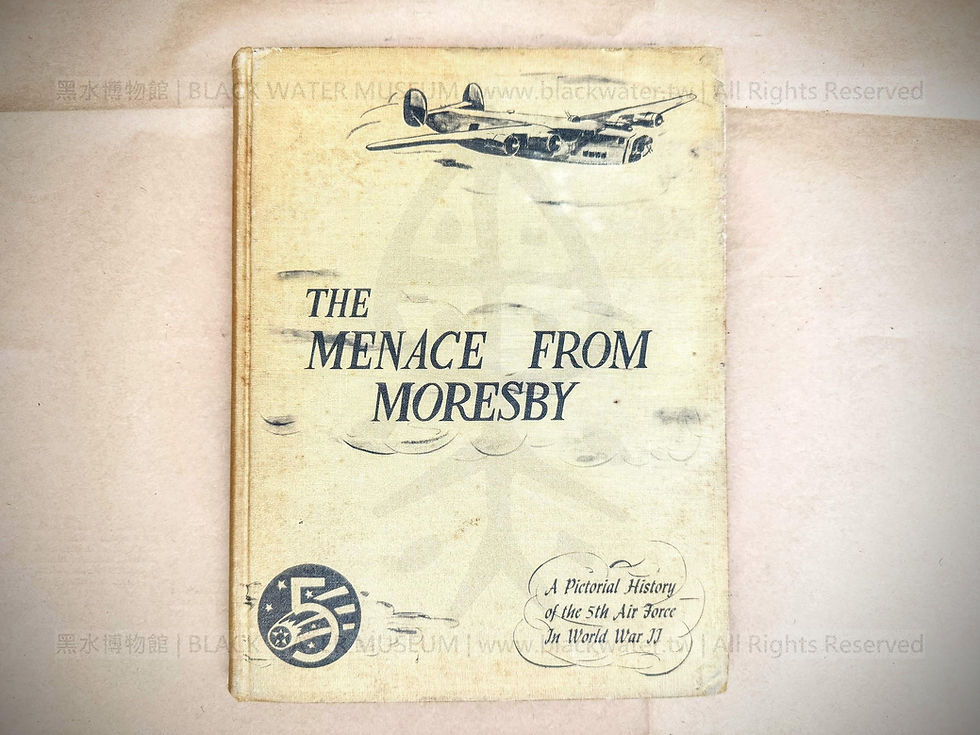


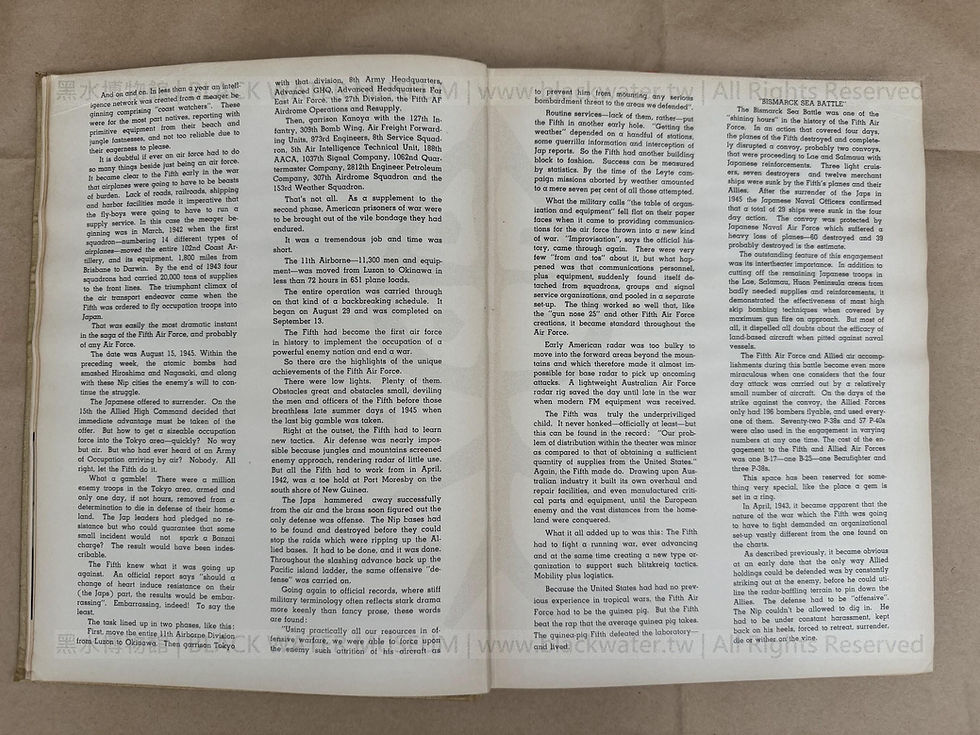


留言